WILT
THEORY
THEORY
Wilt Theory is an exploration of the cyclical nature of existence, how renewal and decay coexist.
The exhibition examines what happens when the light fades, when the living body, the photograph, and
the environment begin to lose their clarity. This exhibition considers wilting and decay not as
endings, but as processes of transformation. Matter, light, and time collapse into one another; what
once was vivid becomes residue. The works fluctuate between presence and absence, suggesting that
nothing ever fully disappears, but is only altered. Time is treated as both subject and material.
For example, long exposures, fading prints, and light-responsive installations embody the
instability of memory and perception. Visitors move through a gradient of deterioration, from crisp,
defined imagery into dim, decomposing forms. Light levels decrease through the space; surfaces will
appear to wilt or blur as if breathing with their own impermanence. The exhibition becomes an
embodied meditation of disintegration and rebirth.
Curated by Sarah Joy and Benjamin Upcavage
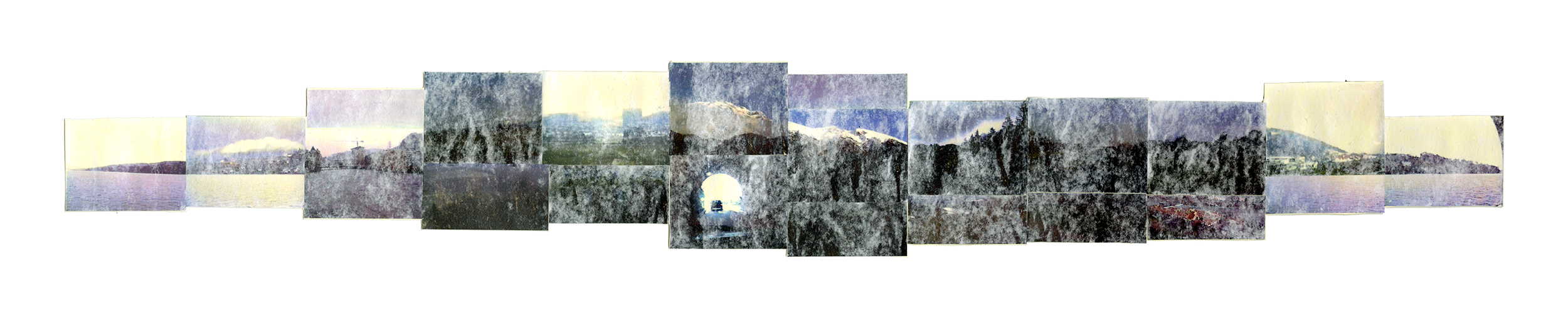
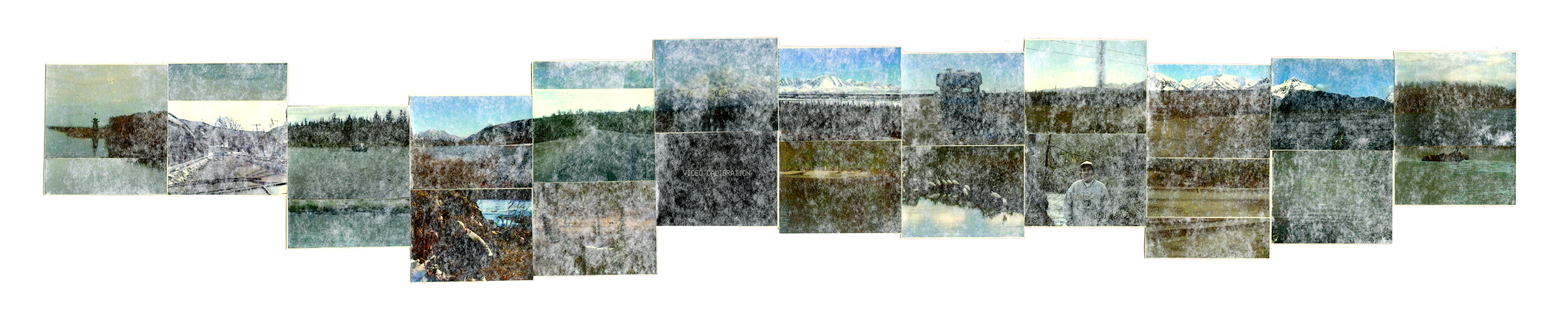
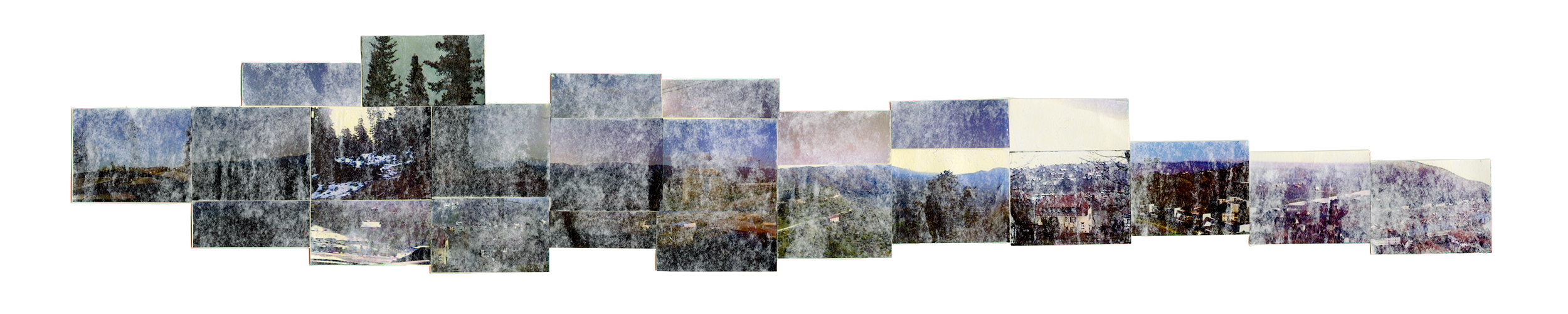
Benjamin Upcavage
Fell asleep in death
2025
Projection over collage
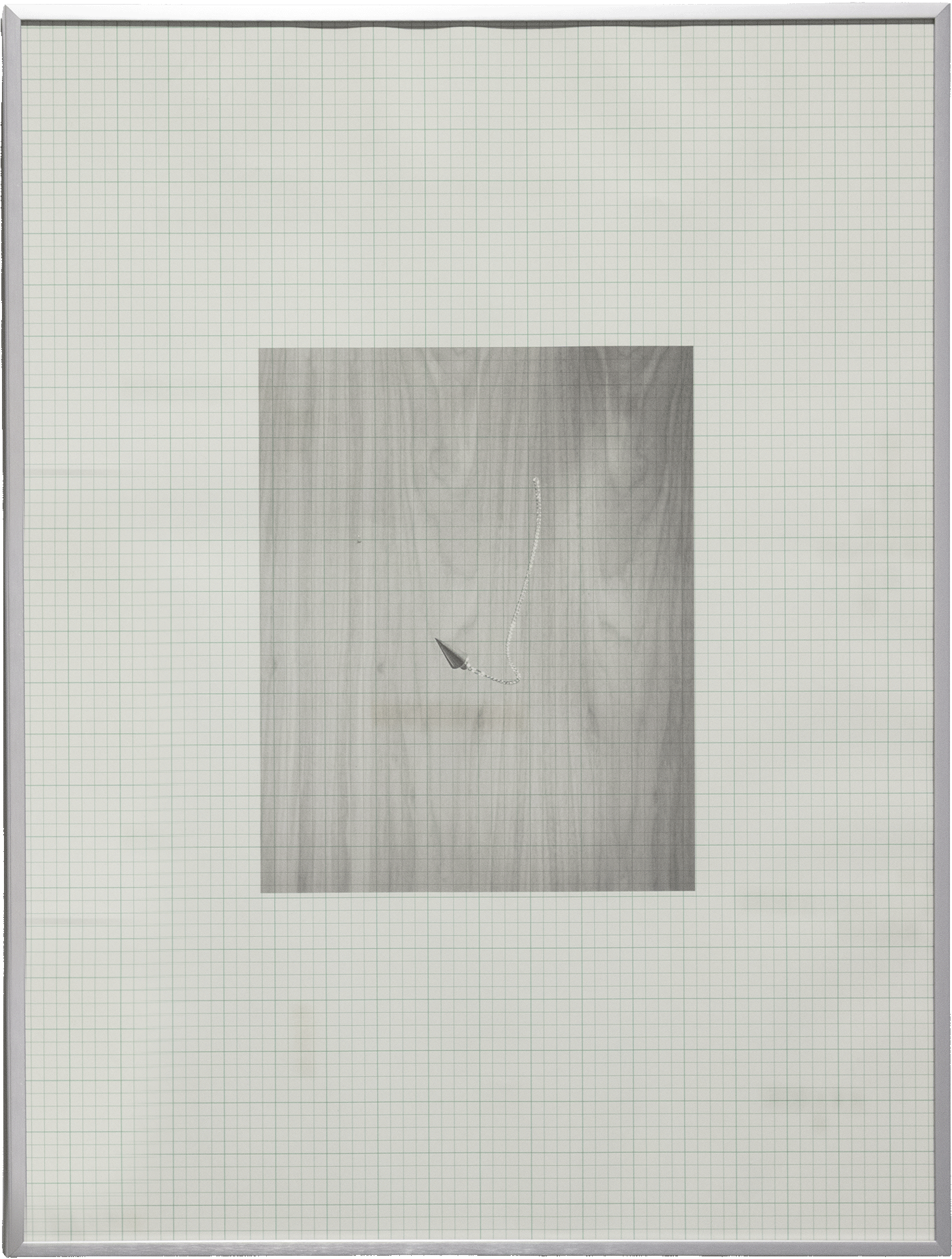
Diana Sosnowska
Pendulum Study #3
2026
Inkjet print
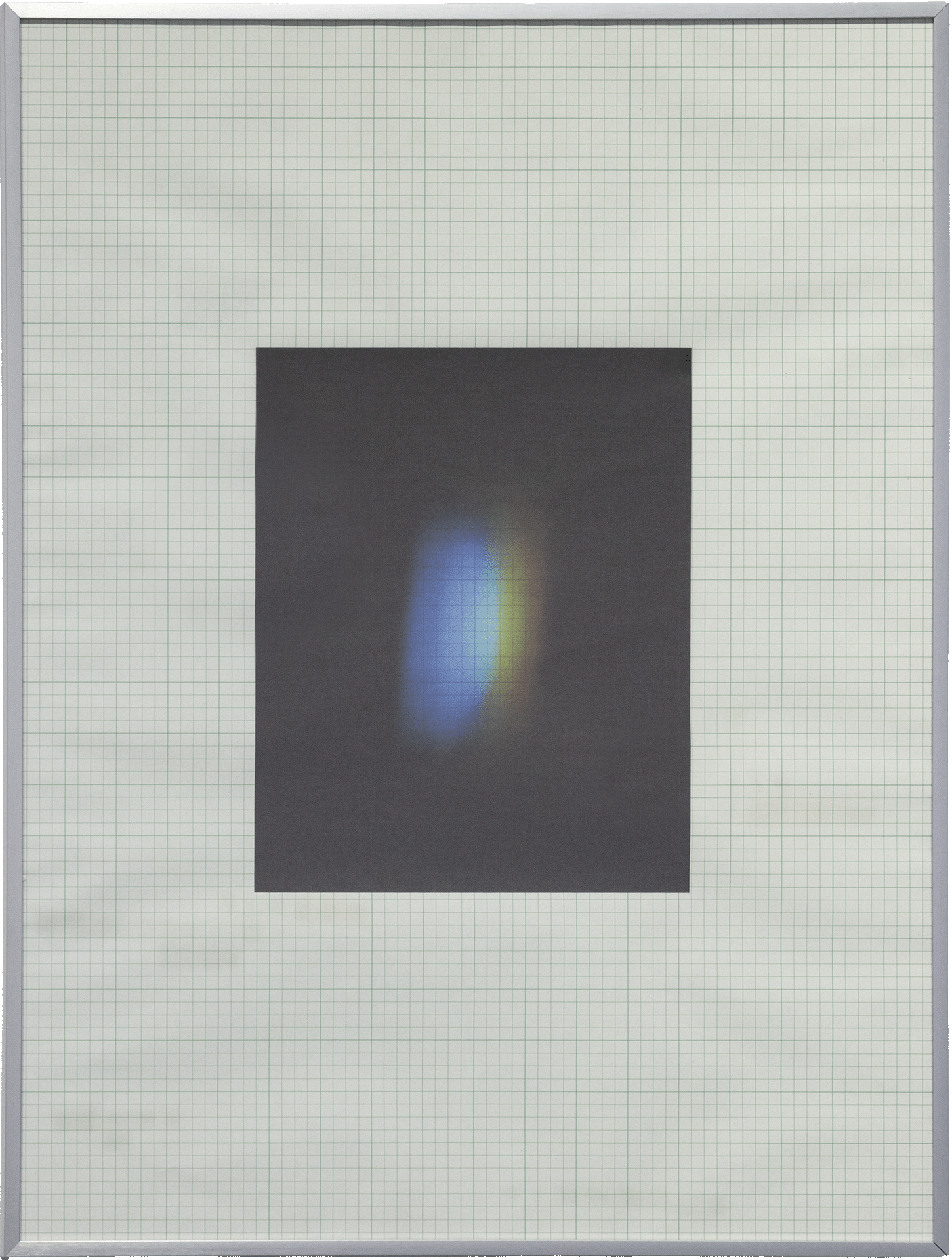
Diana Sosnowsk
Light Study #14
2026
Inkjet print
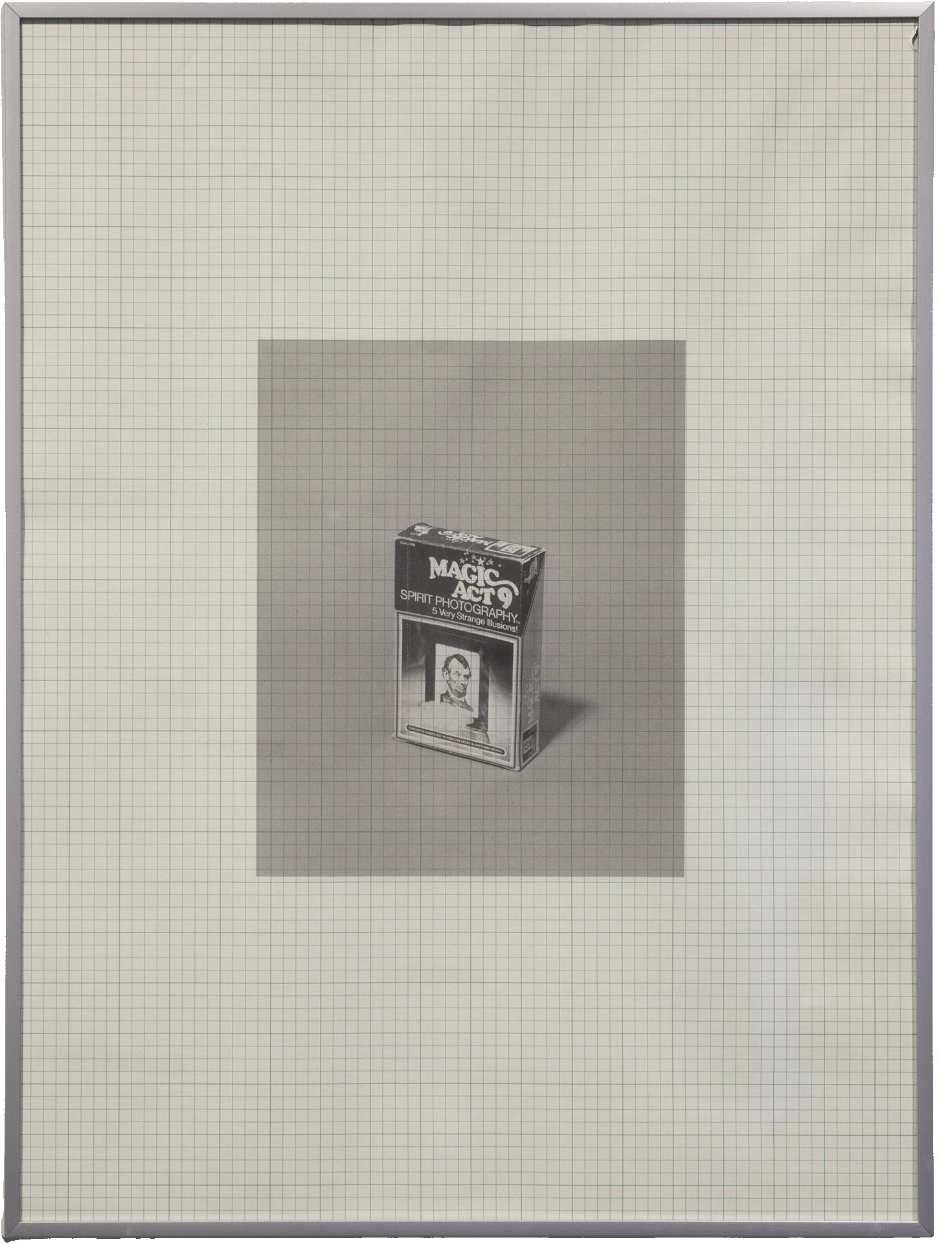
Diana Sosnowsk
Magic Box
2026
Projection over collage
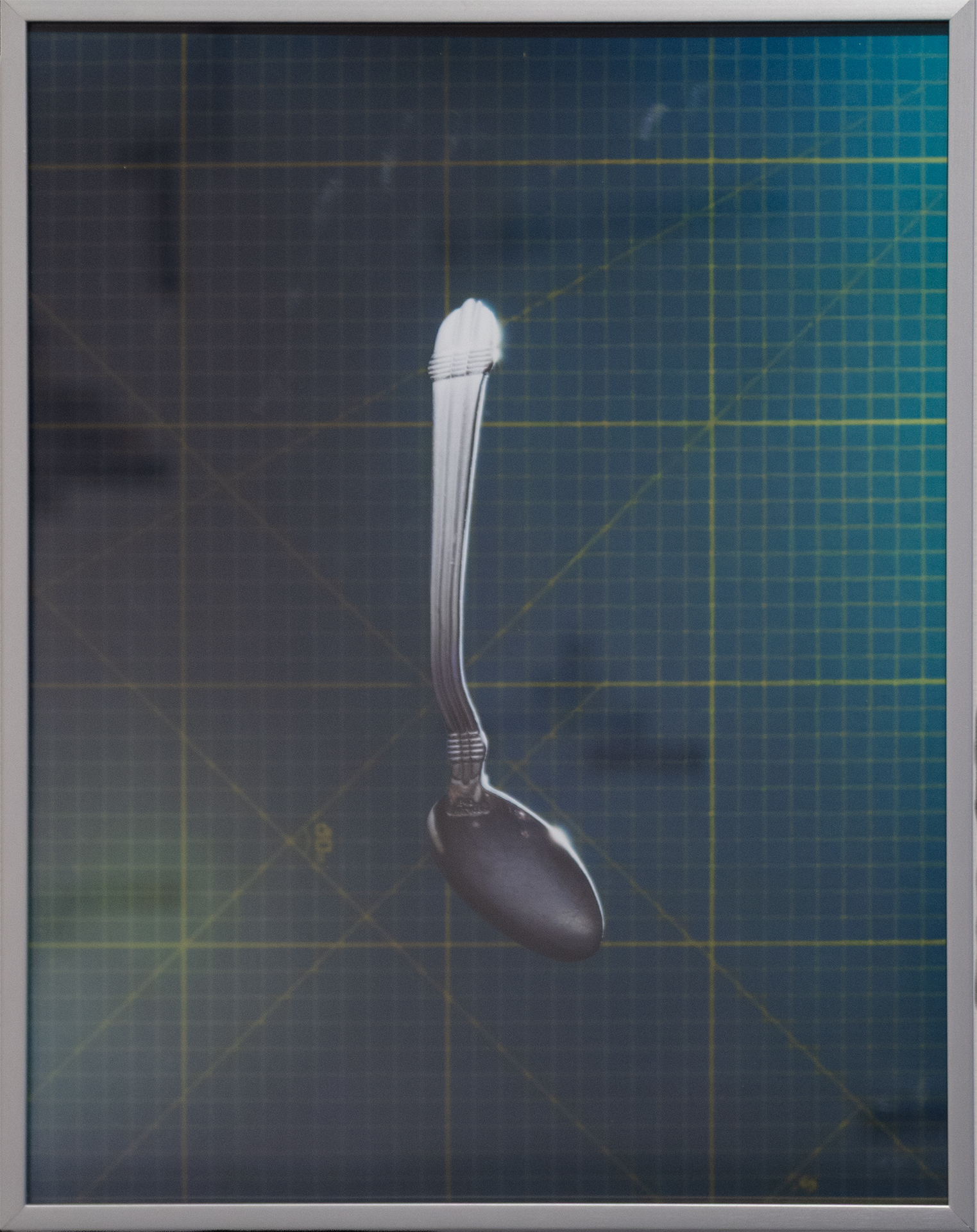
Diana Sosnowsk
Diana's Spooky Spoon
2026
Inkjet print
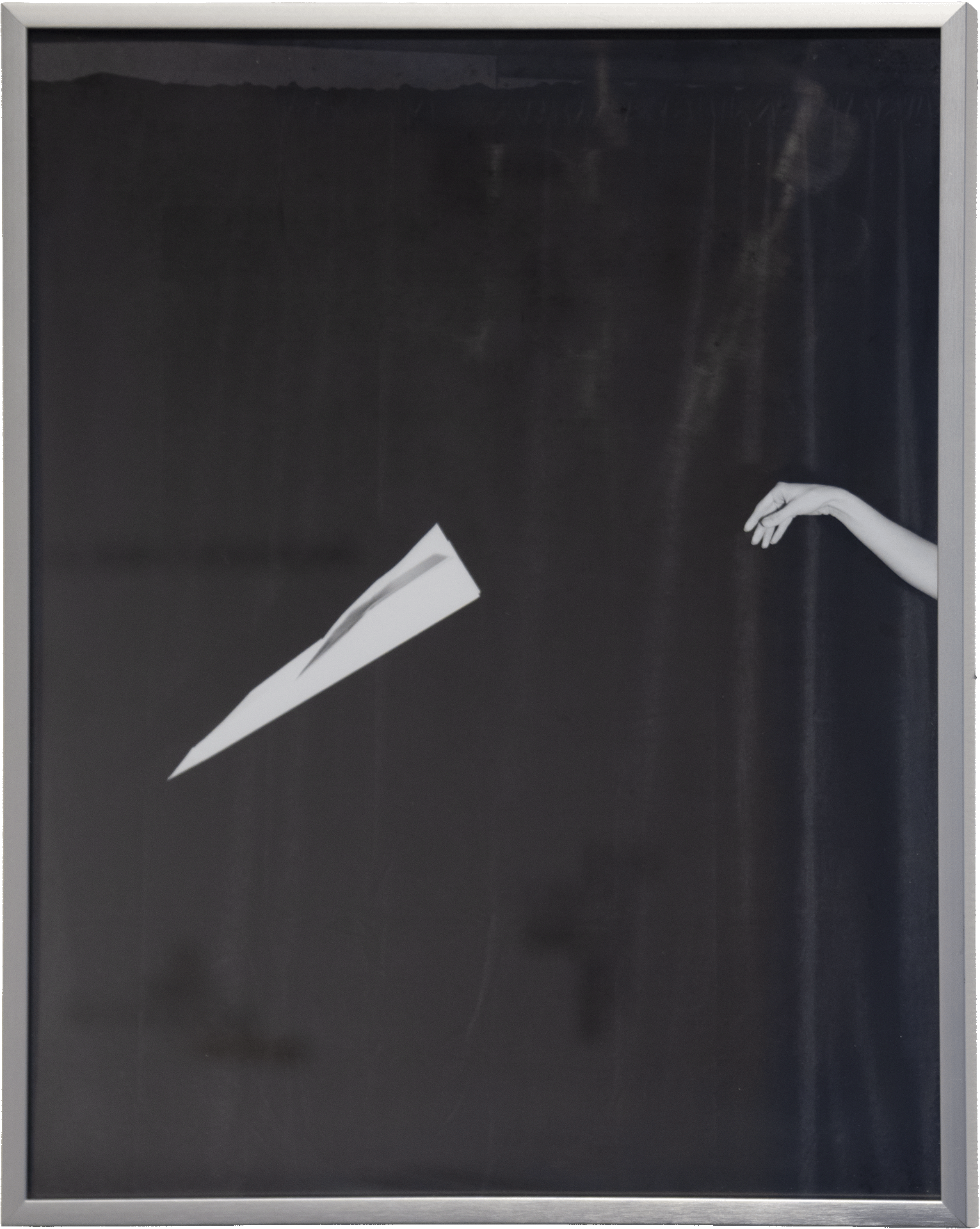
Diana Sosnowsk
Flight Testing #19
2026
Inkjet print
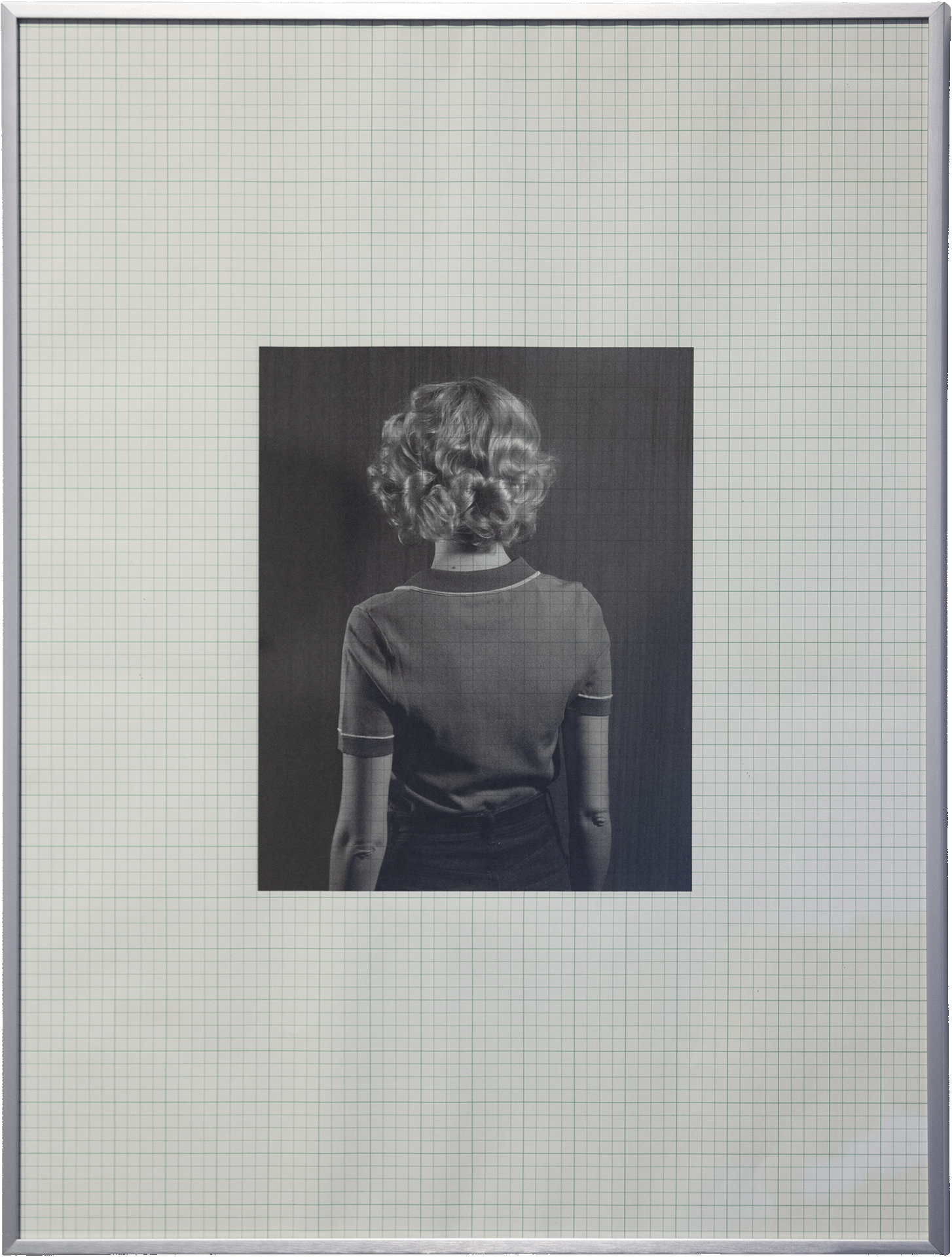
Diana Sosnowsk
Hella Hammid's back
2026
Inkjet print
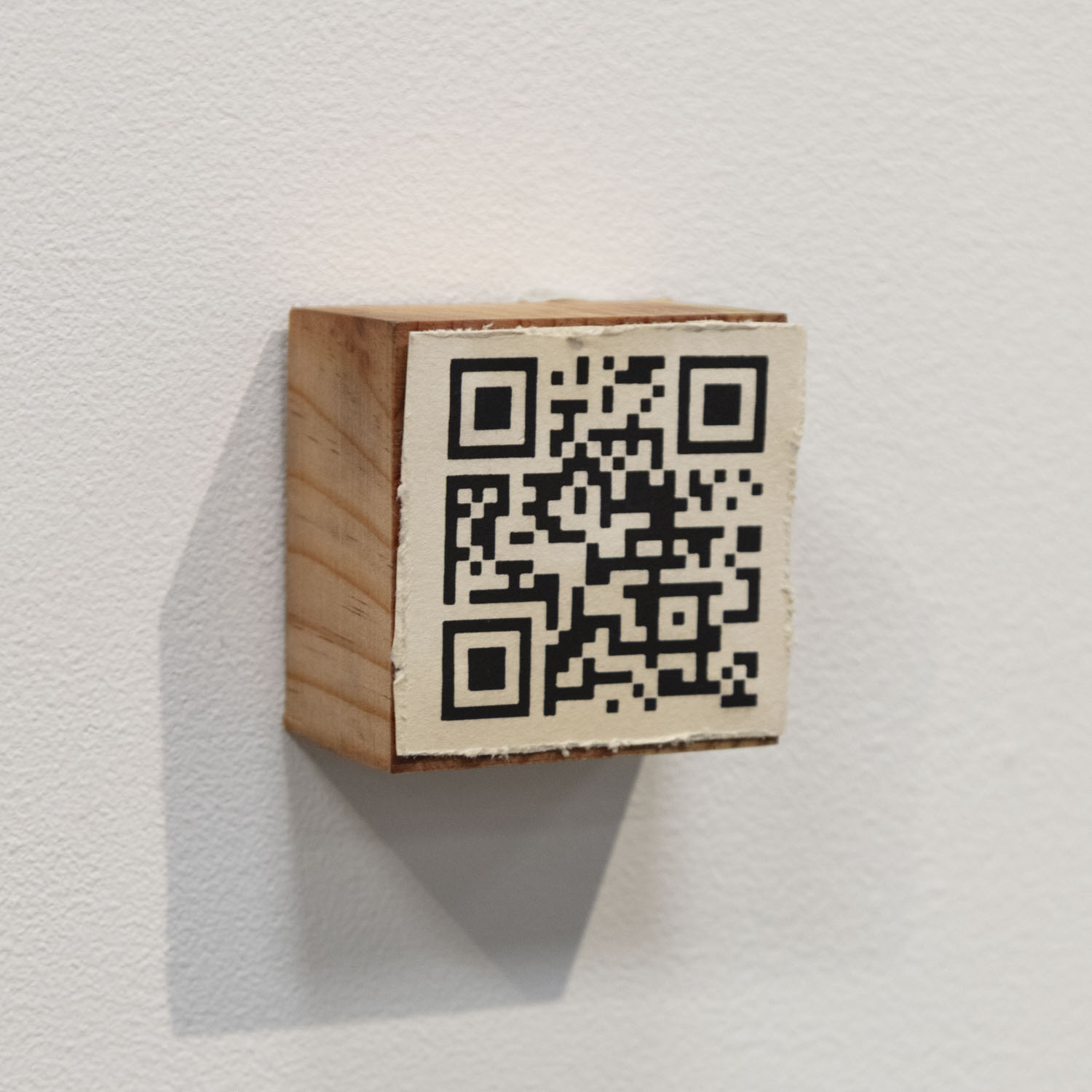
Ryan McConnell
Streamed
2026
Raspberry-Pi, camera, wood, ink
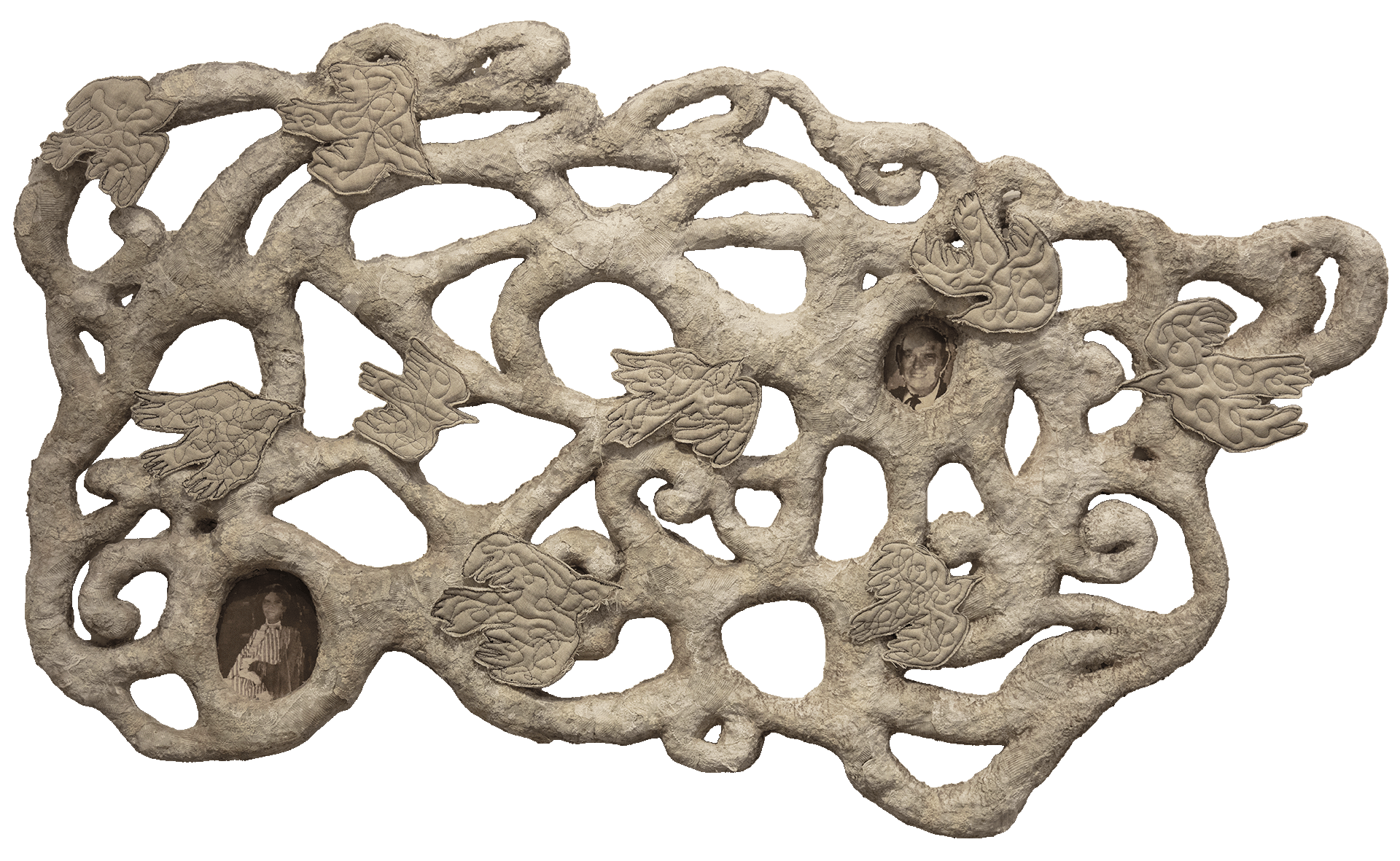
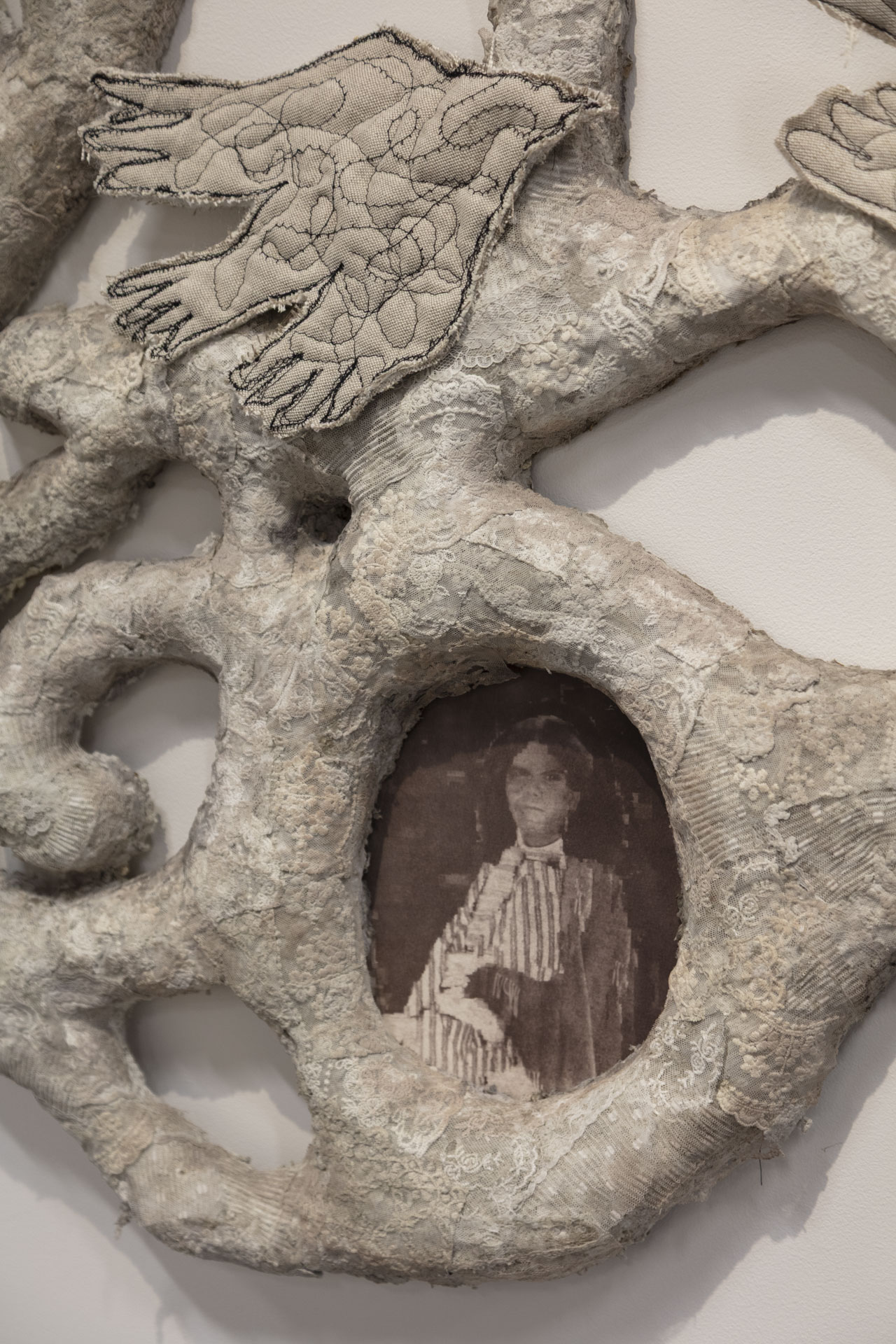
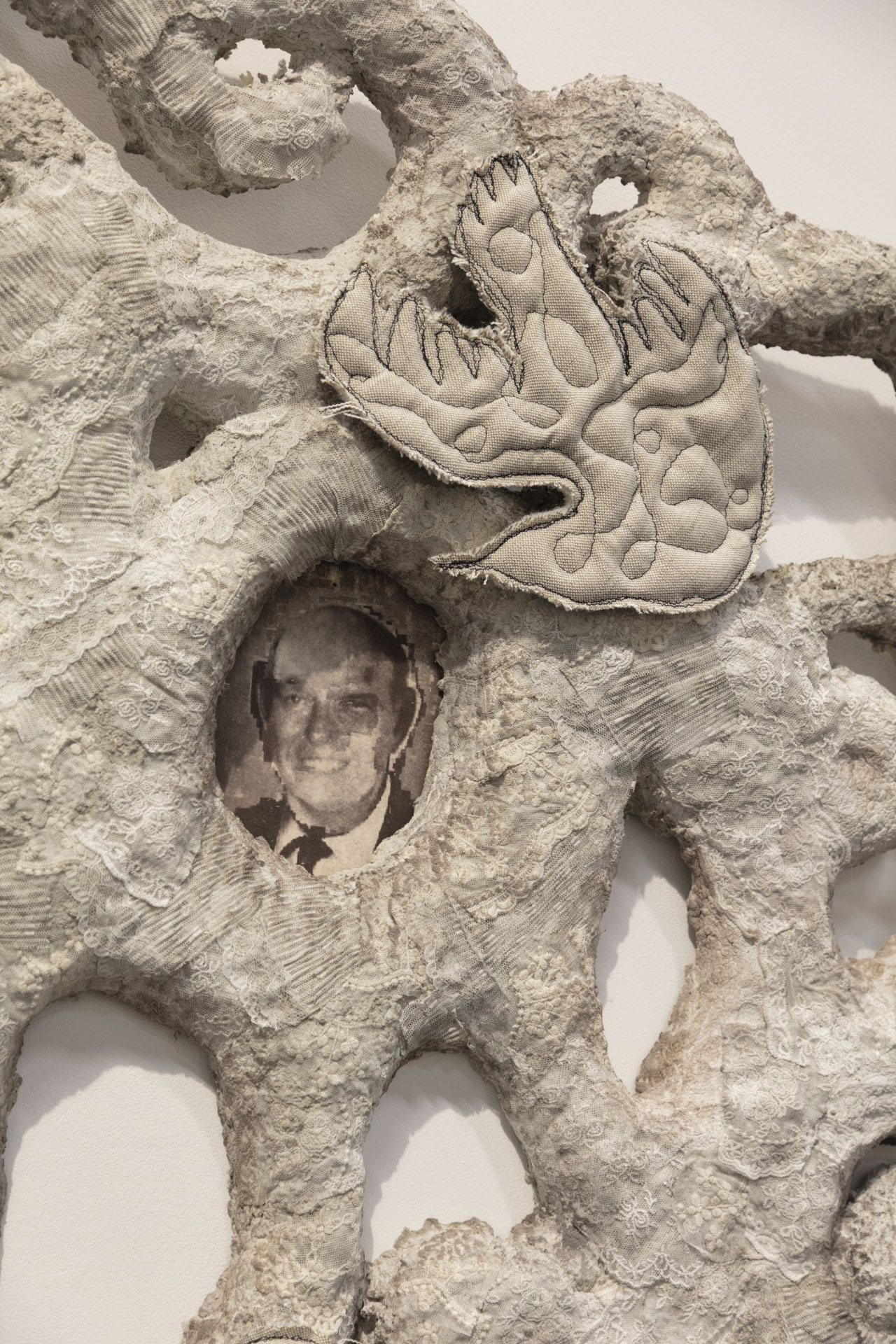
Samira Rangel & Benjamin Upcavage
Passed away peacefully under the care of
2026
Salt Prints, spray foam, paper mache, concrete, fabric
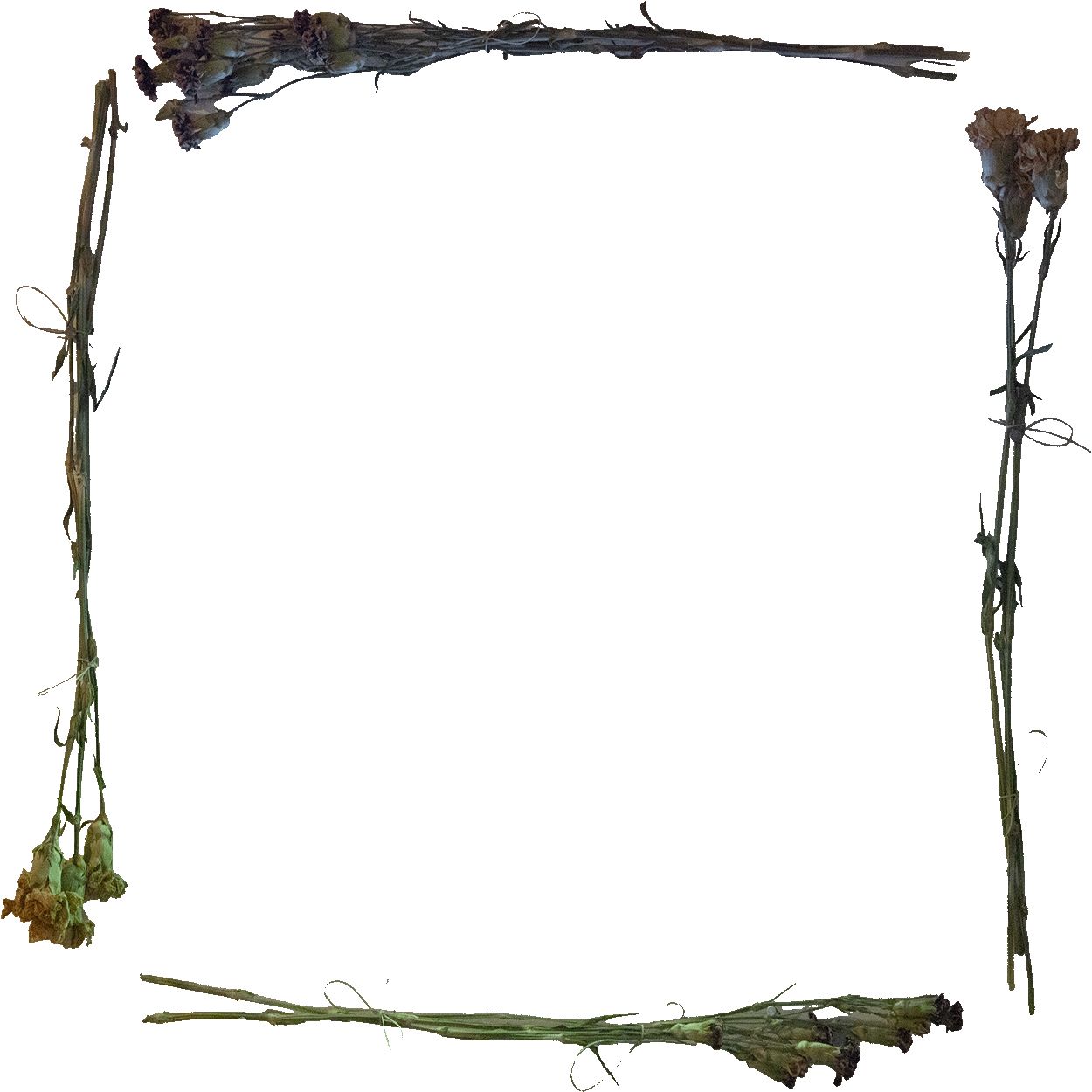
Murphy Hottenstein
Hopeful Death
2026
Video projection, dried flowers
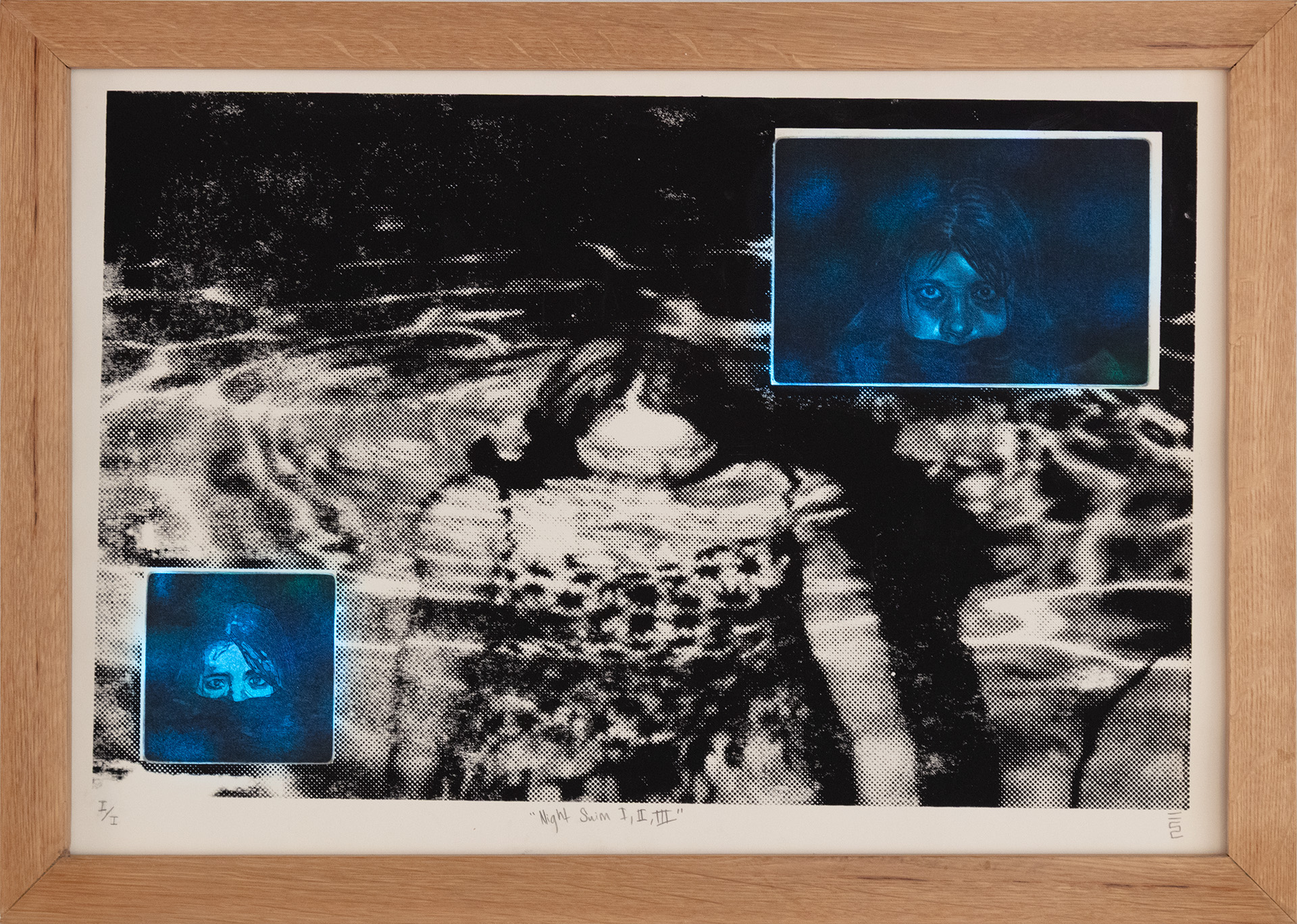
Ryan McConnell
Night Swim I, II, & III
2026
Mezzotint, aquatint, and screenprint on paper, wood, LEDs
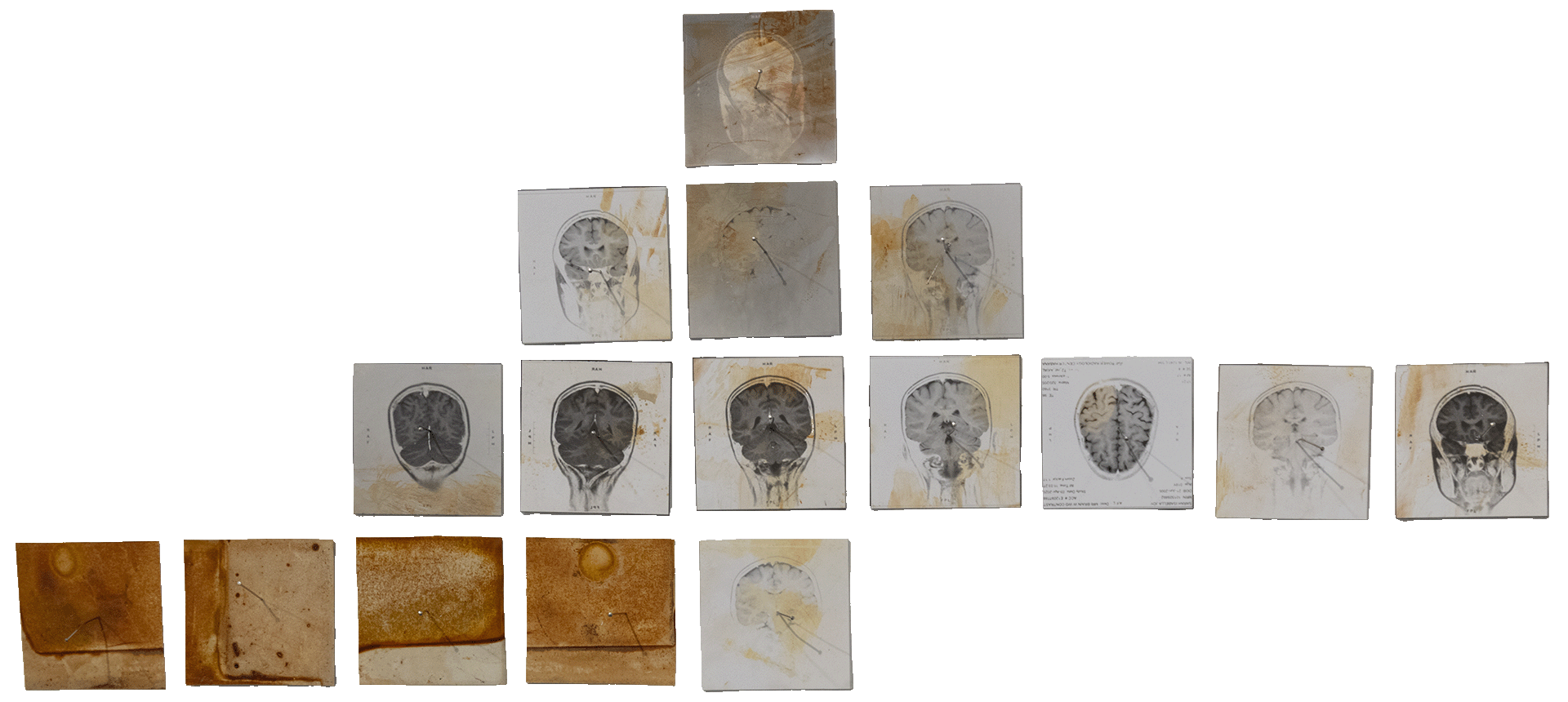
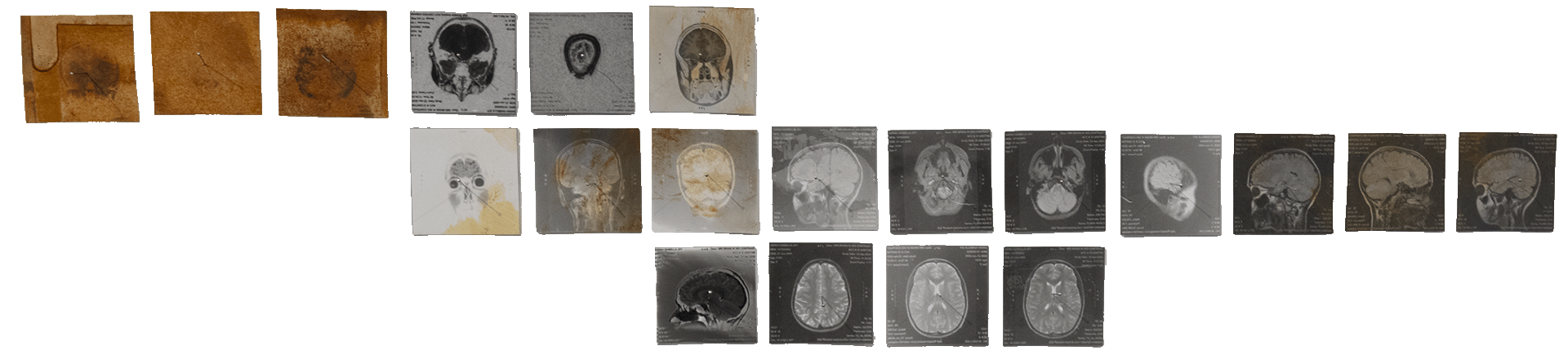
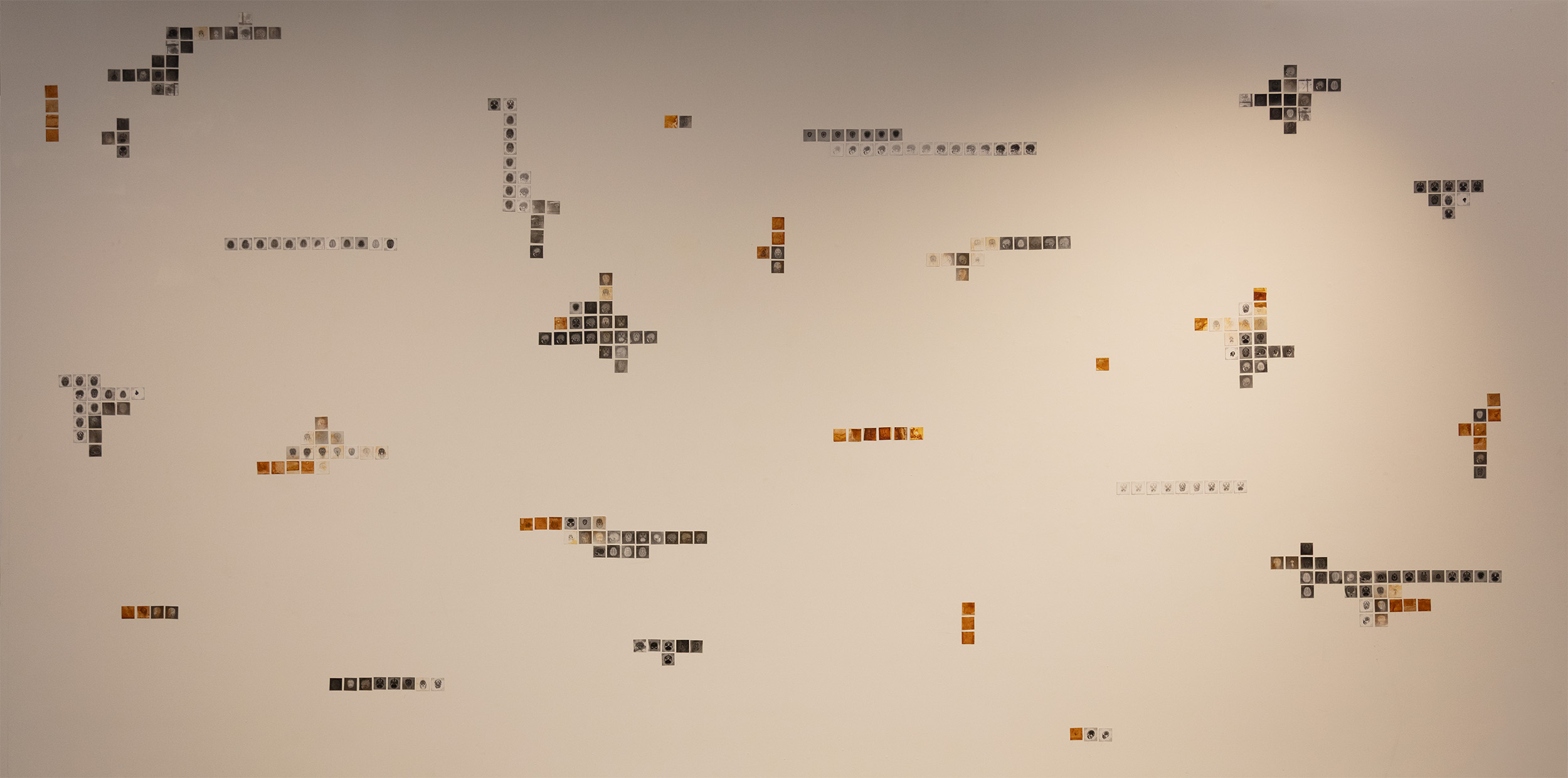
Sarah-Joy
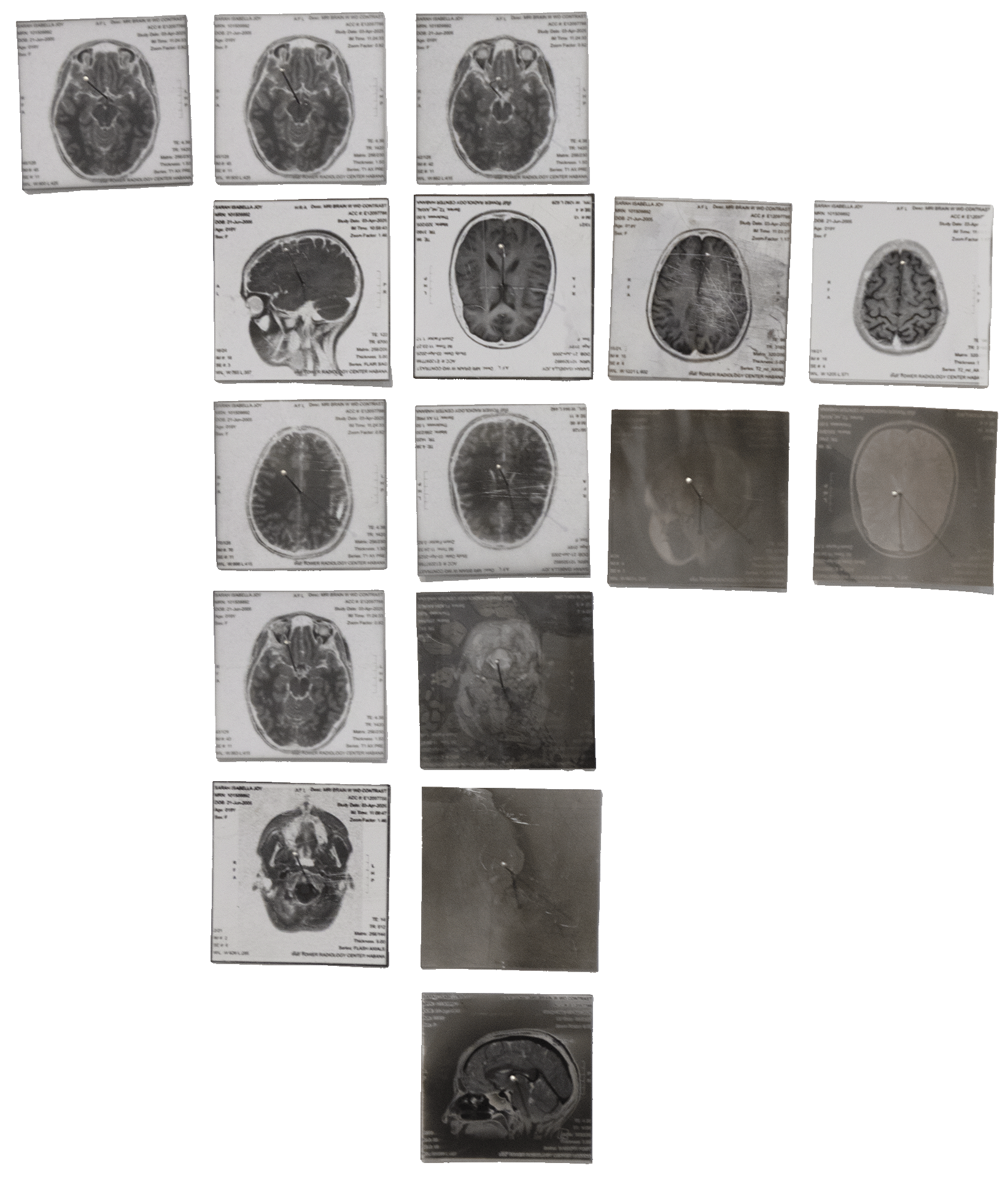
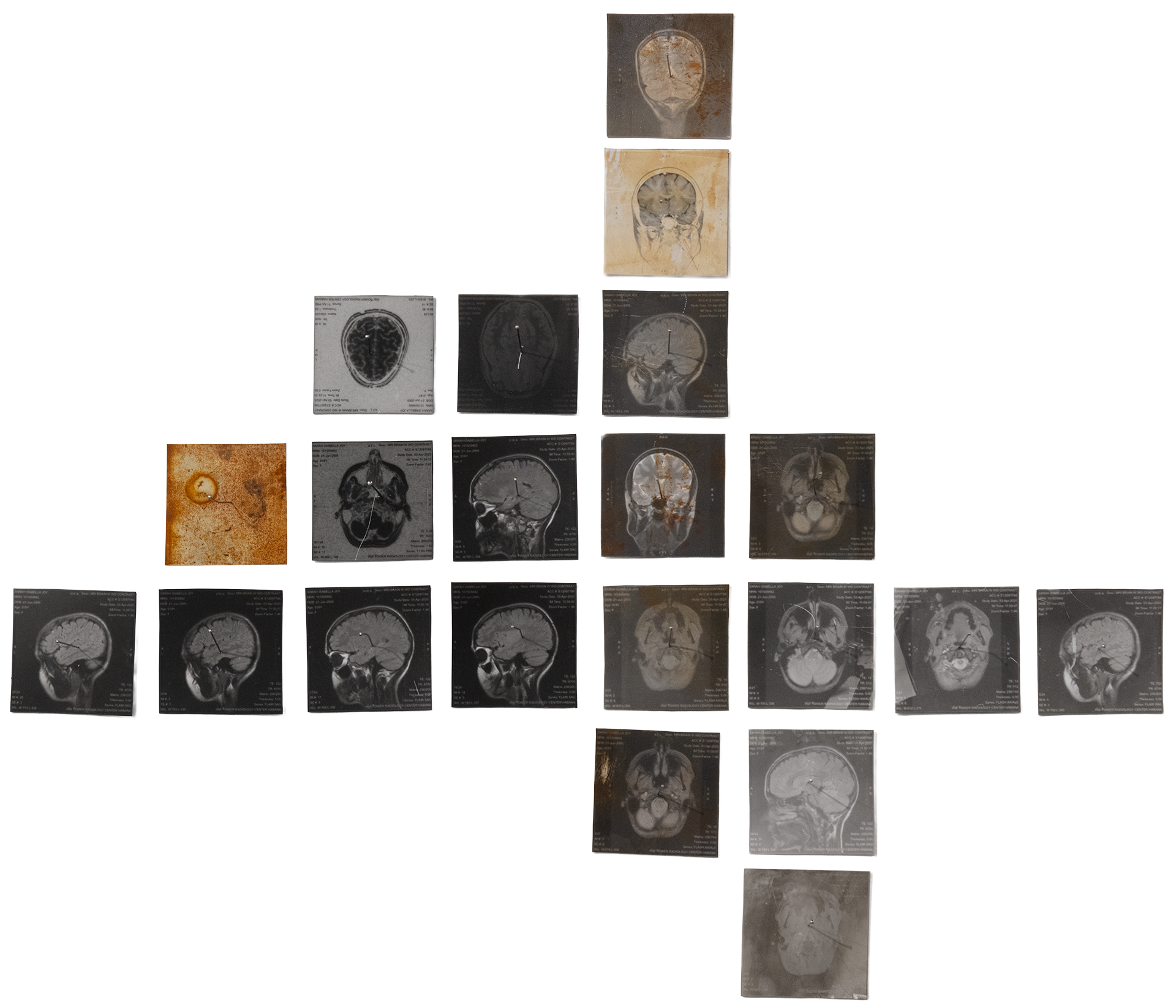
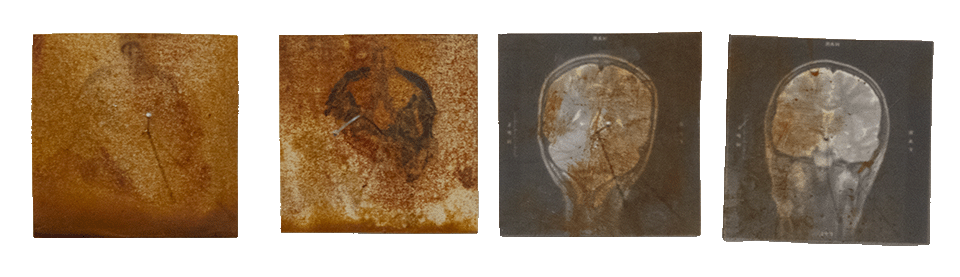
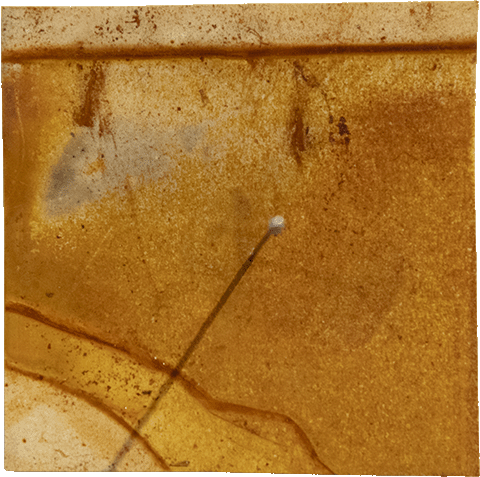
there is no recovery, only endurance
2025
294 silver gelatin prints each worth $10, rust, sewing pins, gabapentin 300mg twice a day
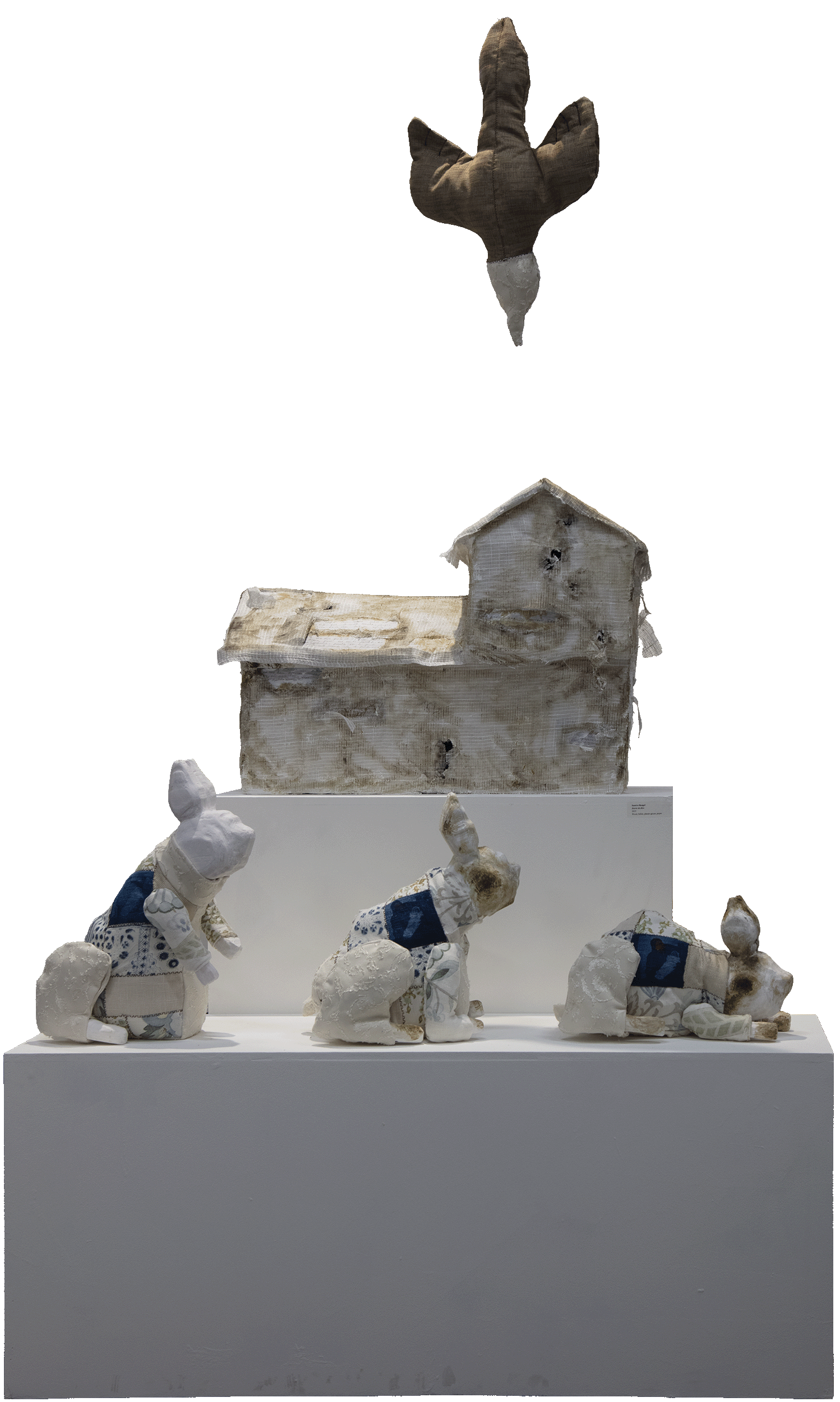
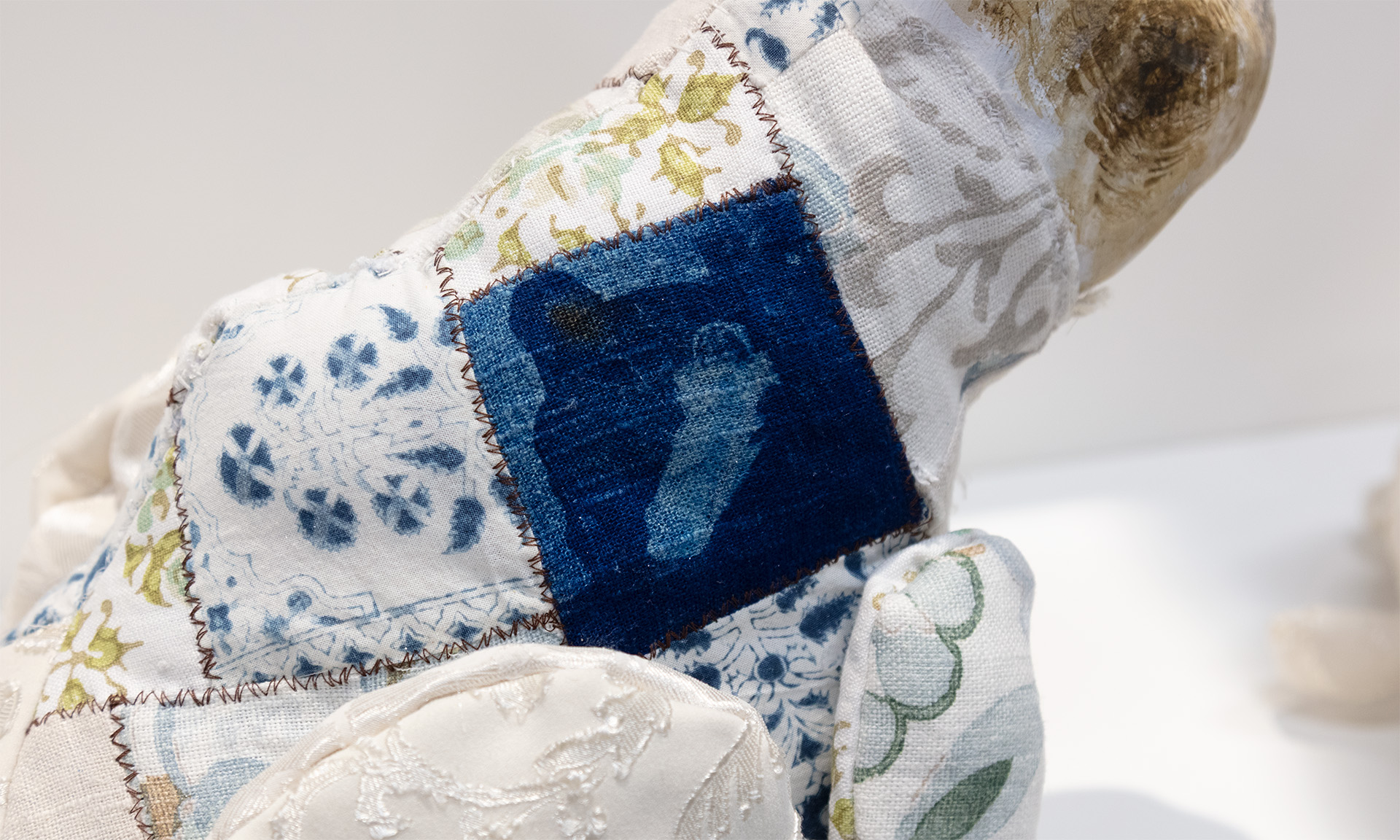
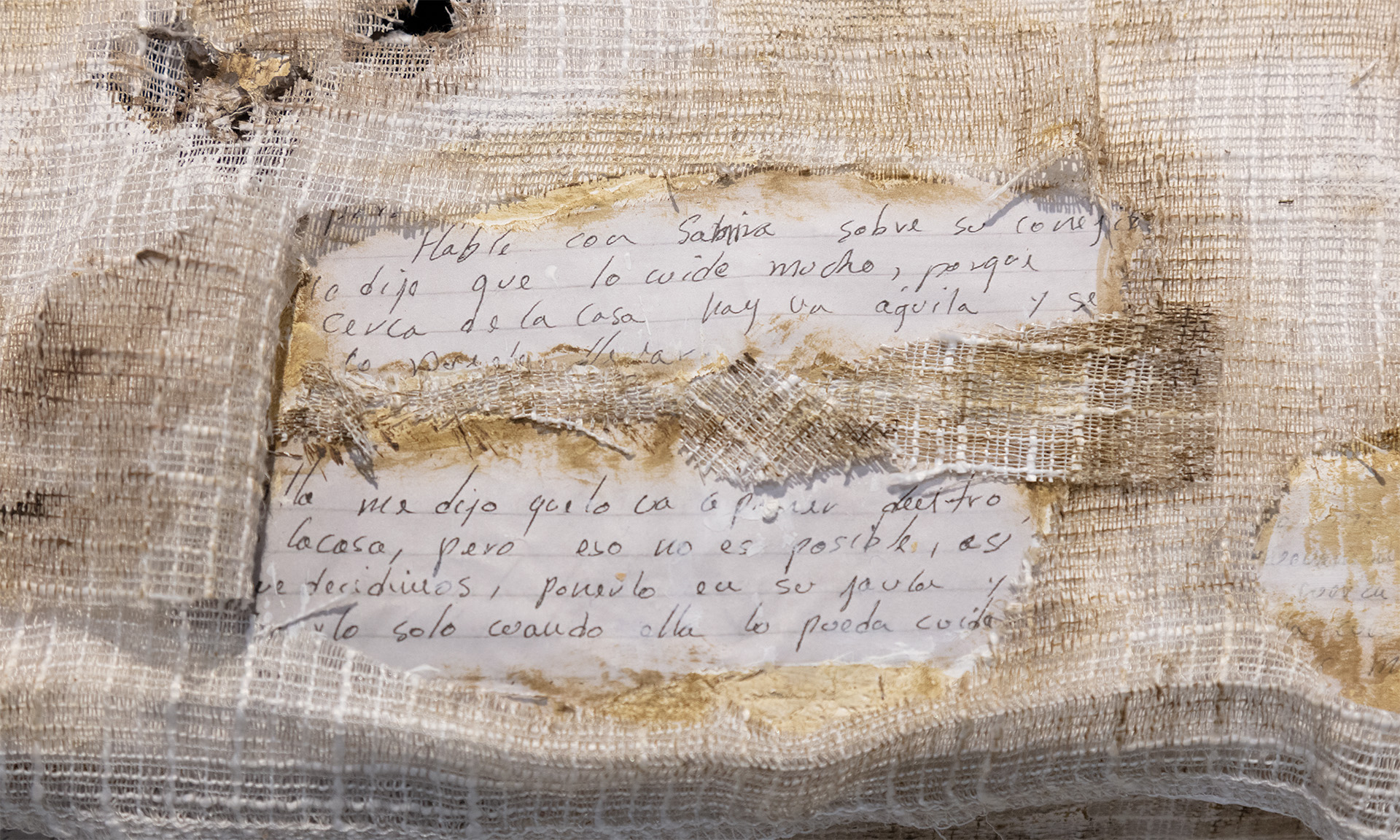
Samira Rangel
Siervo de dios
2025
Wood, fabric, plaster gauze, paper
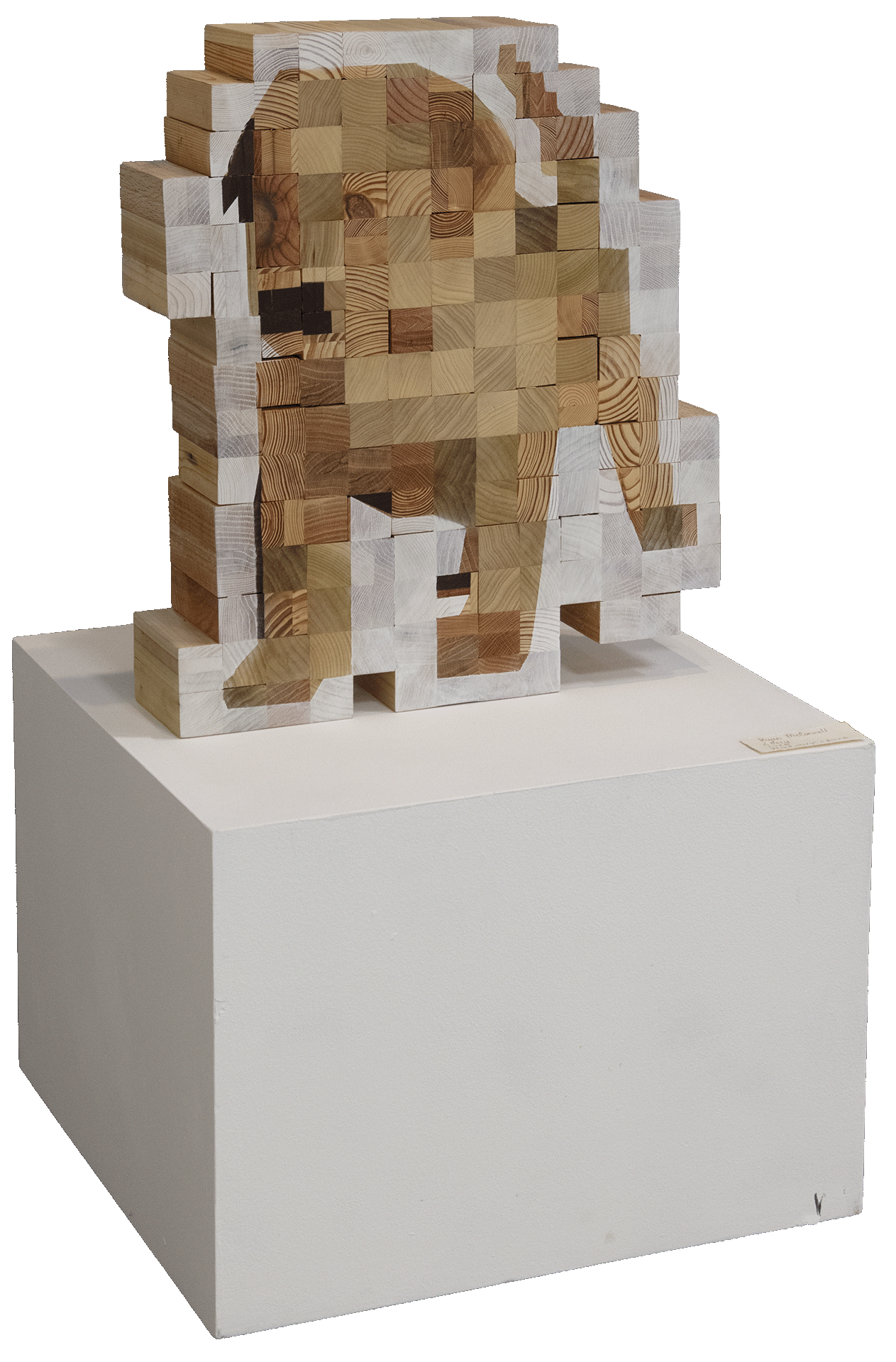
Ryan McConnell
Lossy
2026
Wood, acrylic paint, glue
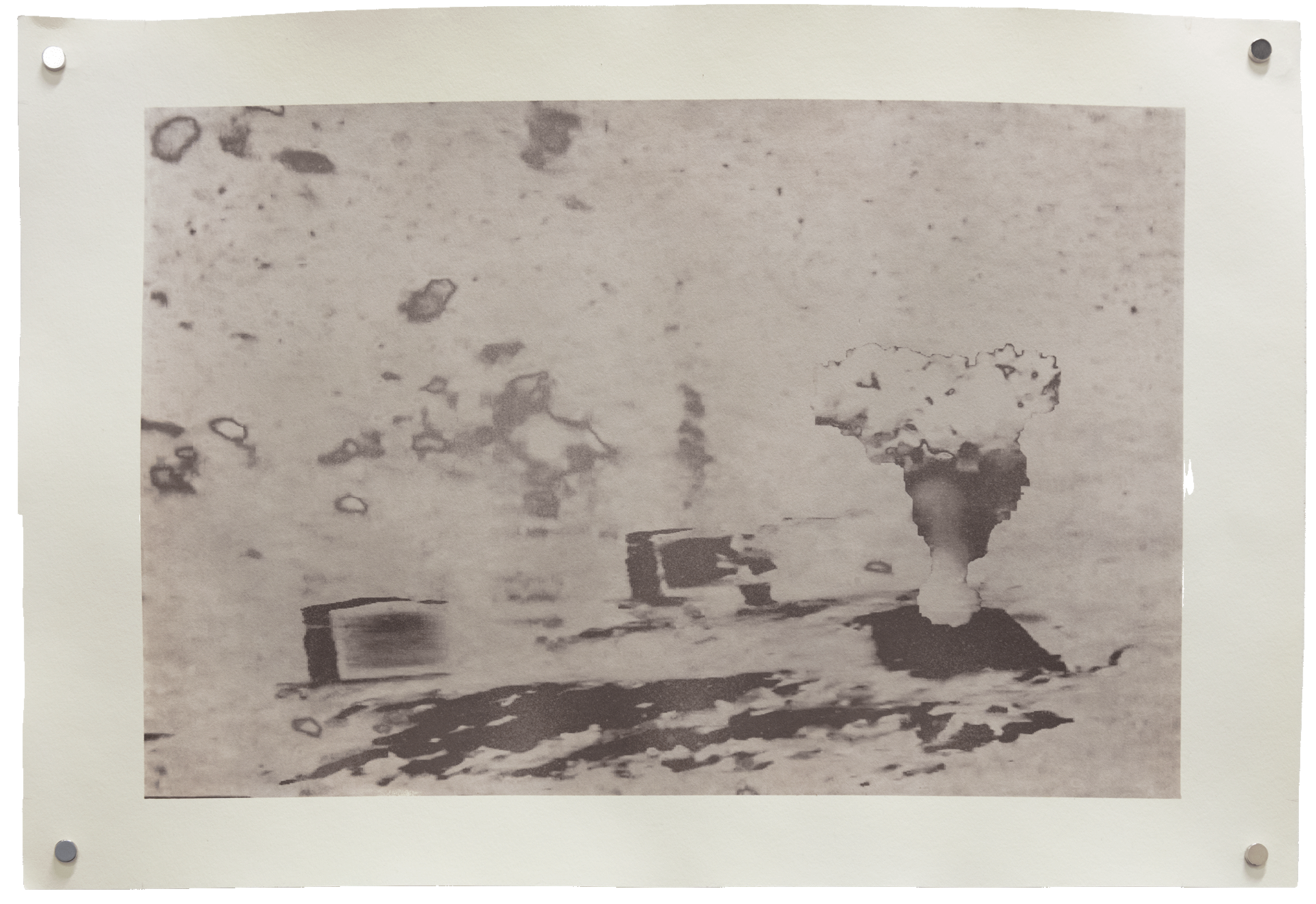
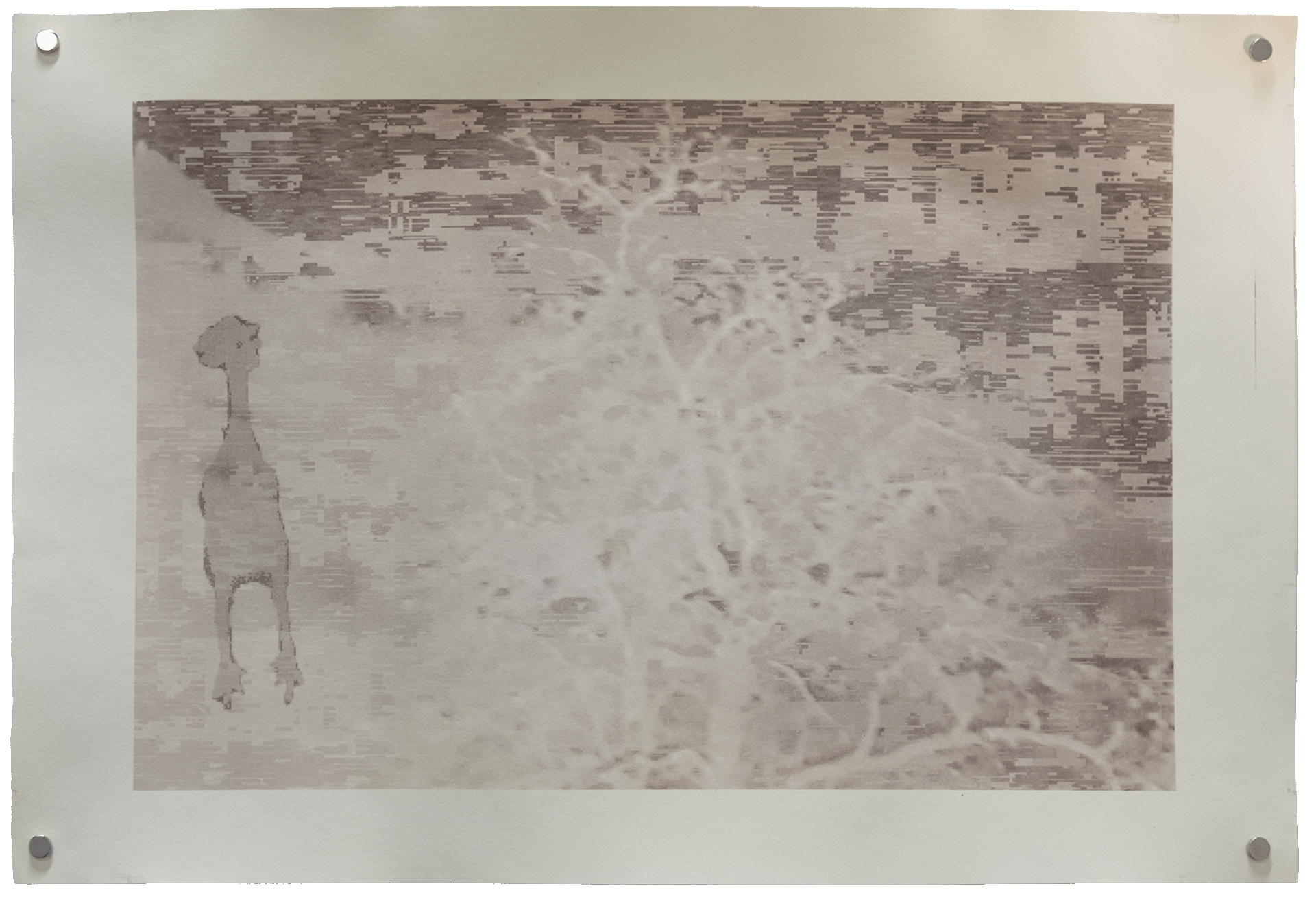
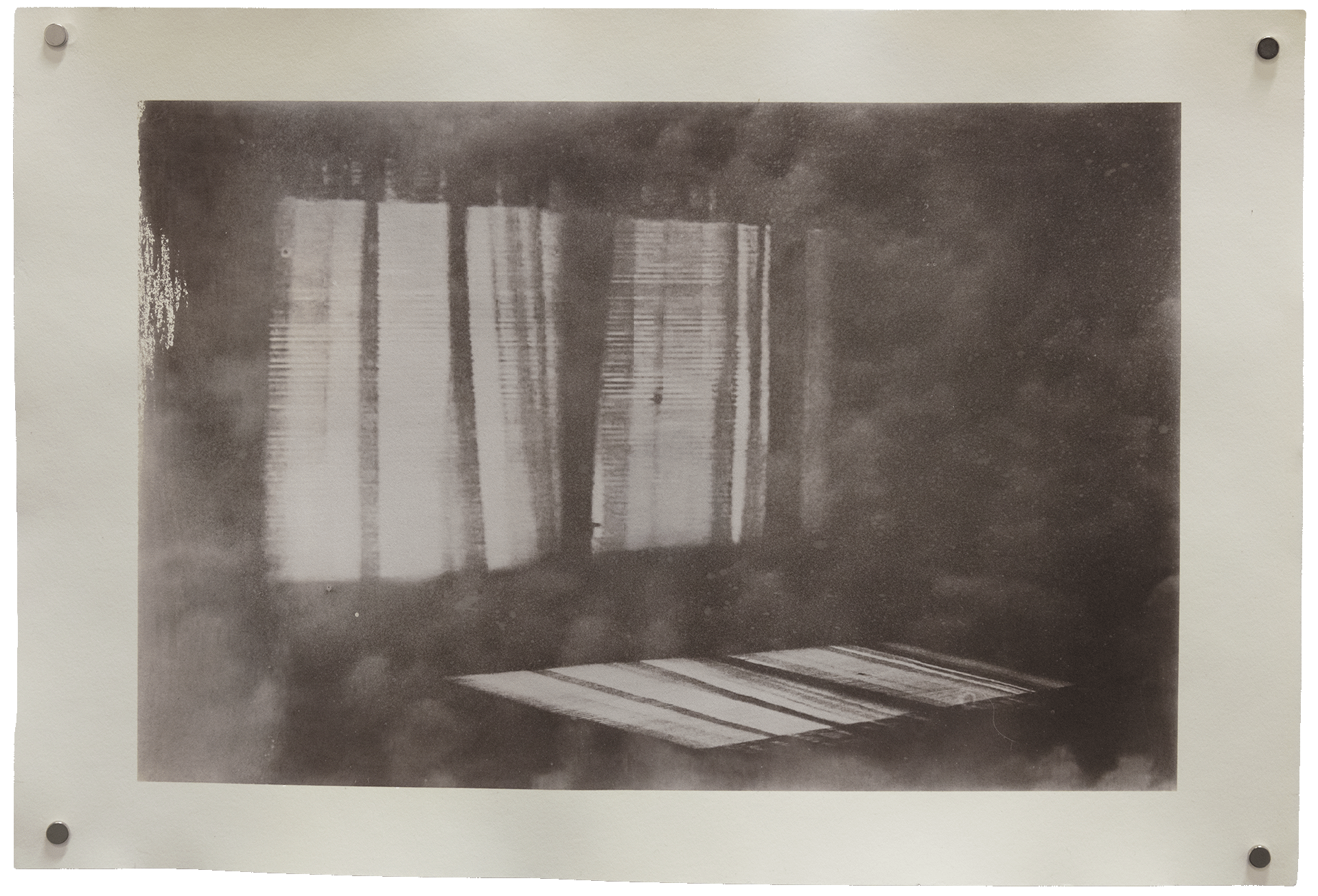
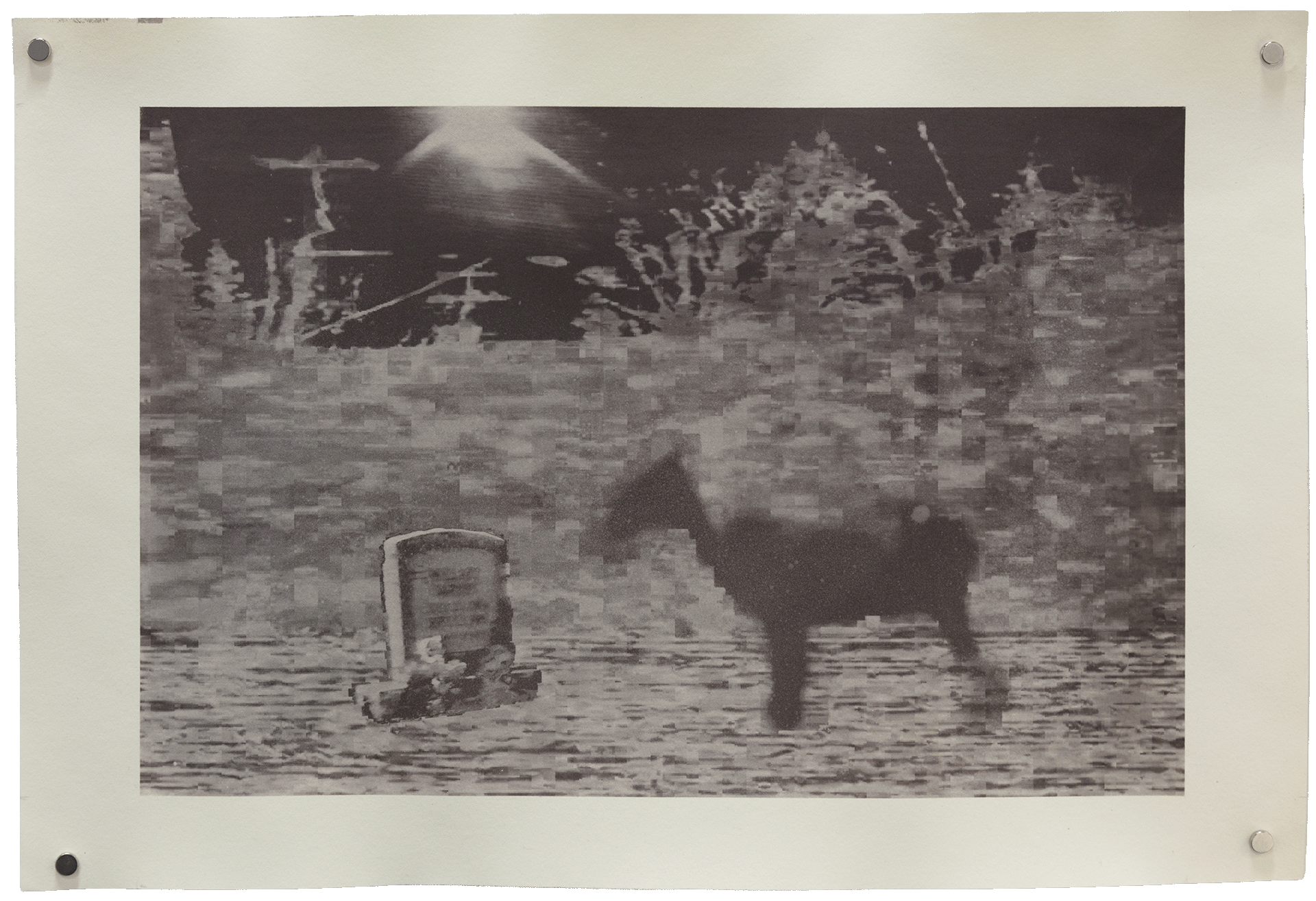
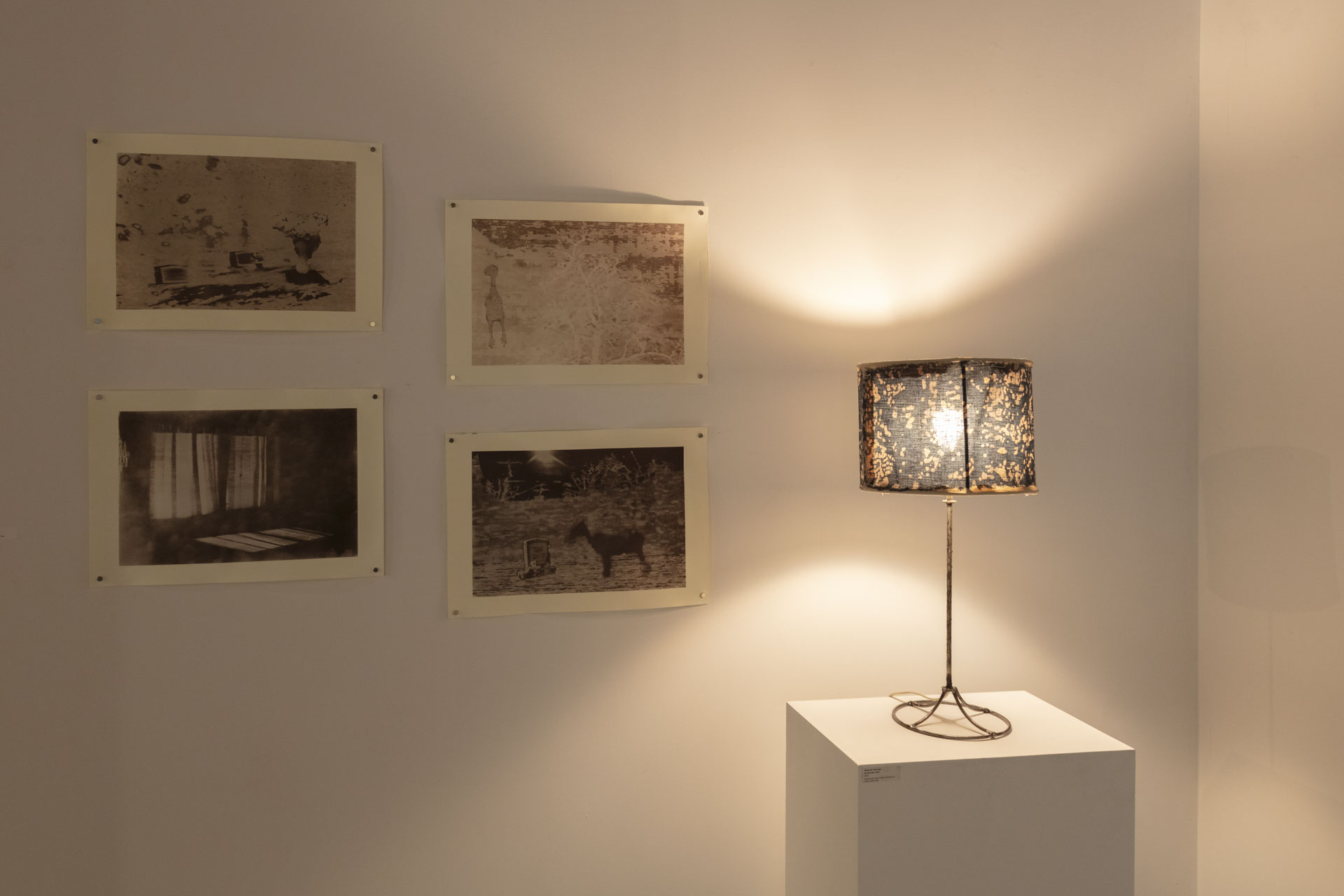
Benjamin Upcavage
Guarantees of life
2026
Salt prints on stonehedge paper
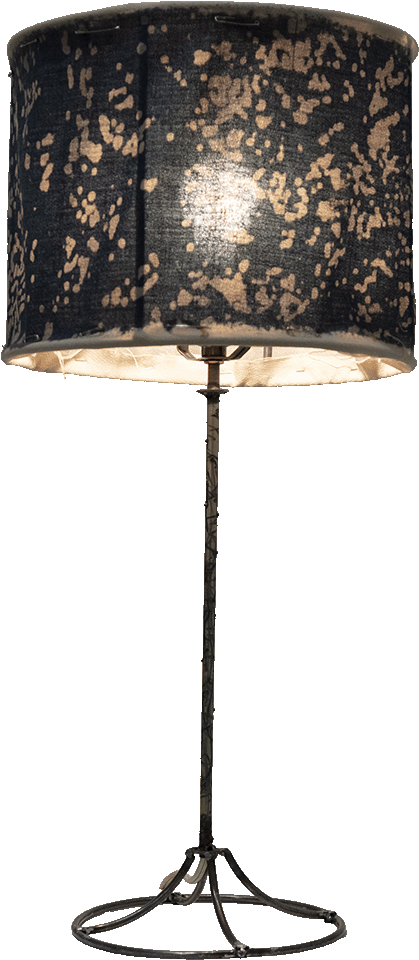 Benjamin Upcavage
Inevitability of life
2025
Lamp parts, steel, toned cyanotype on fabric, safety pins
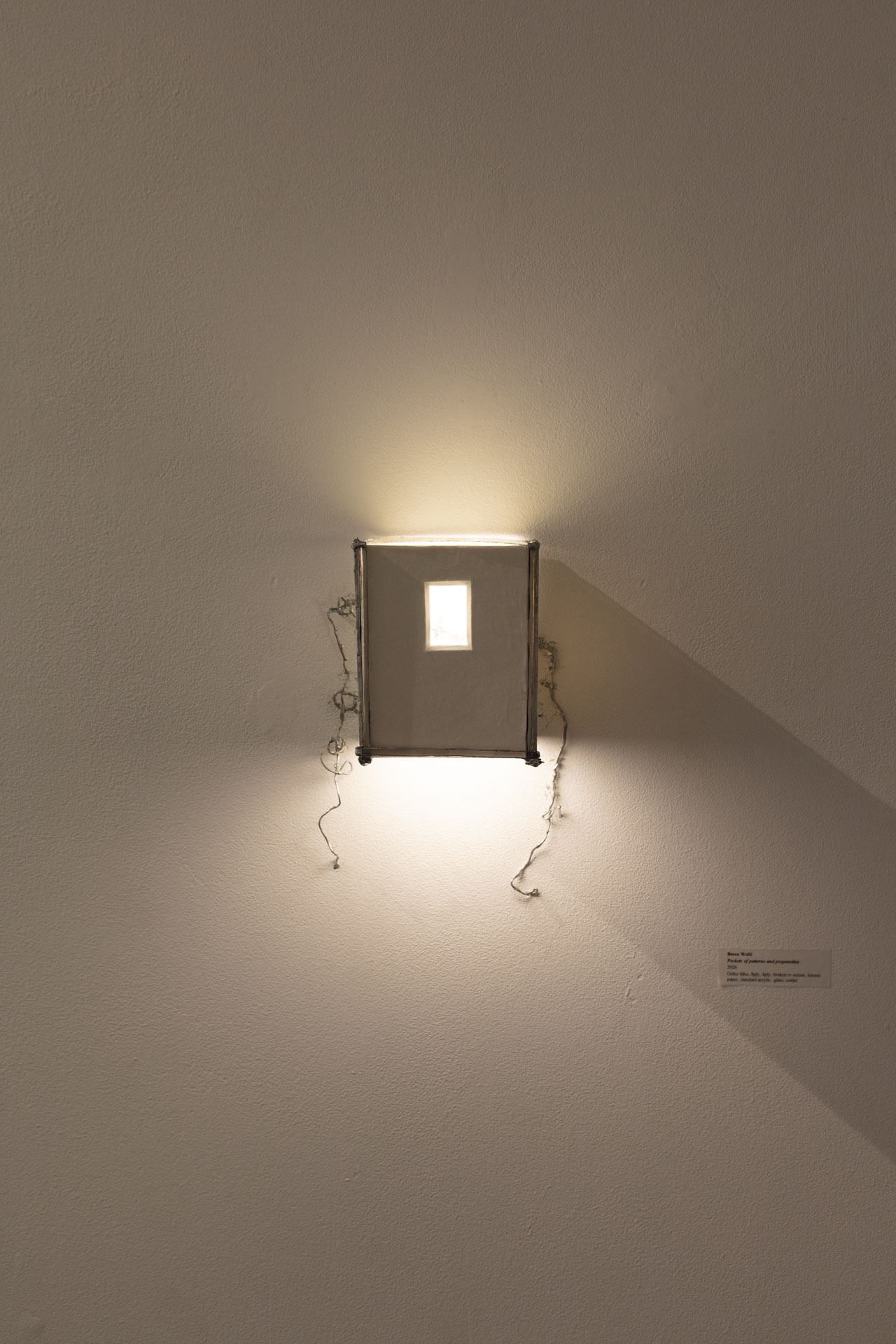
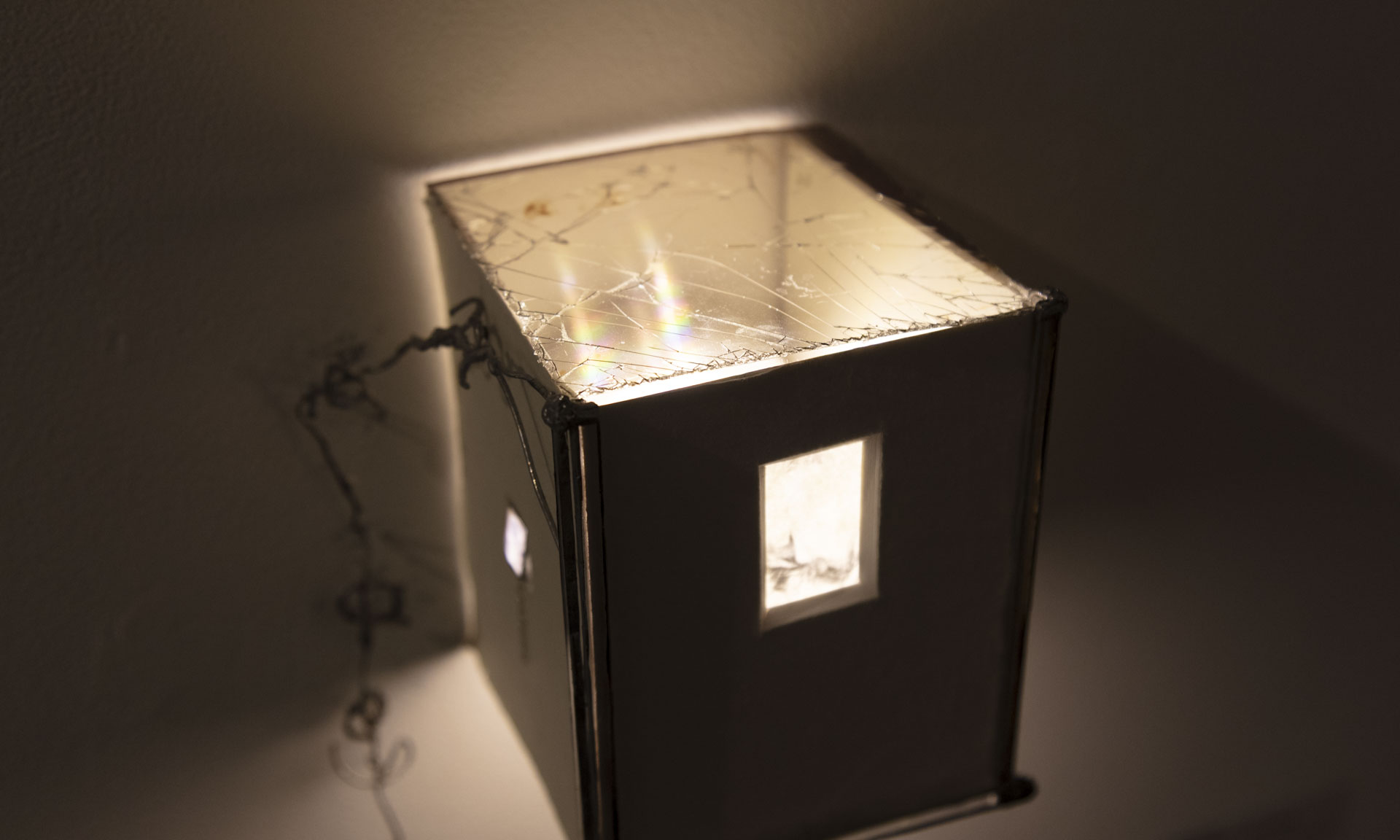
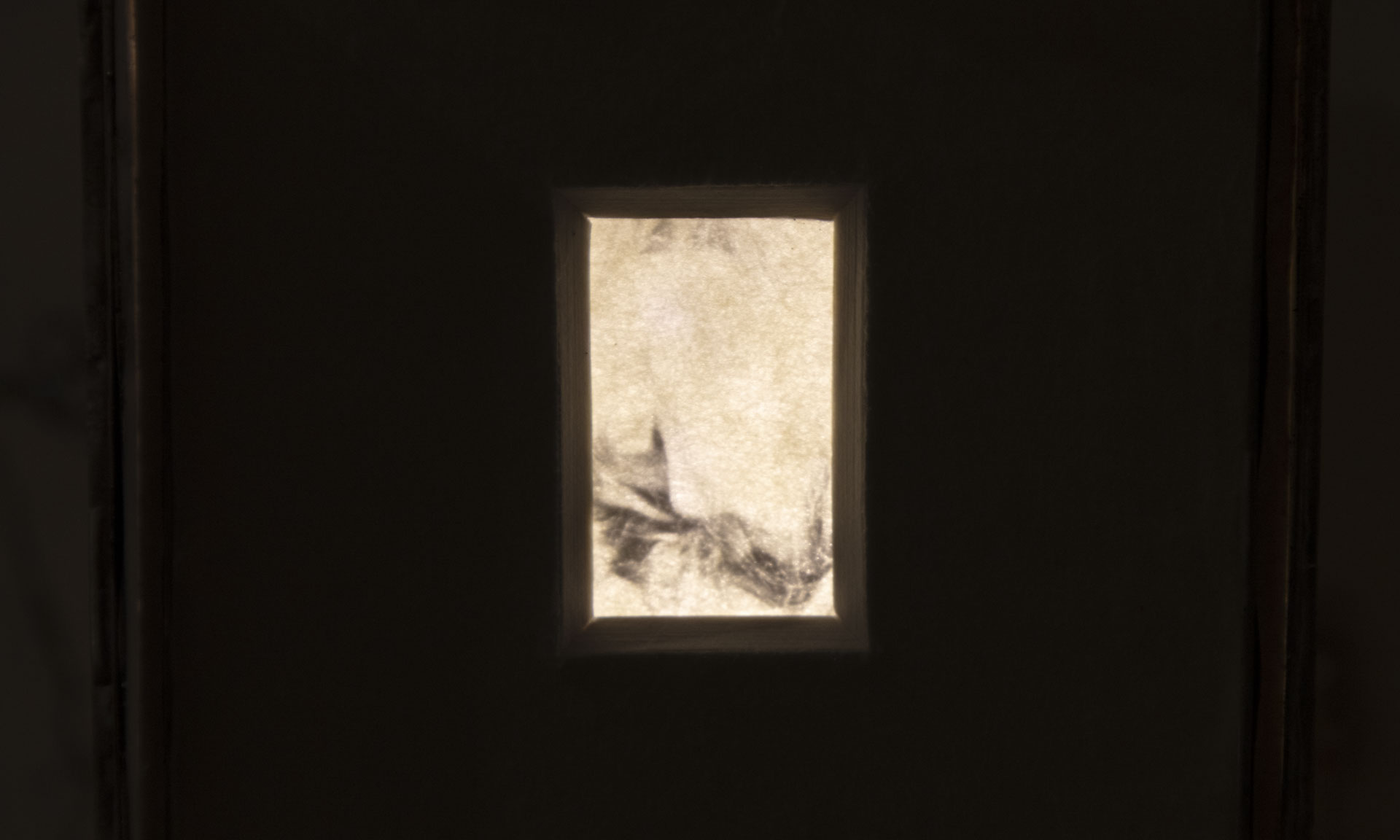
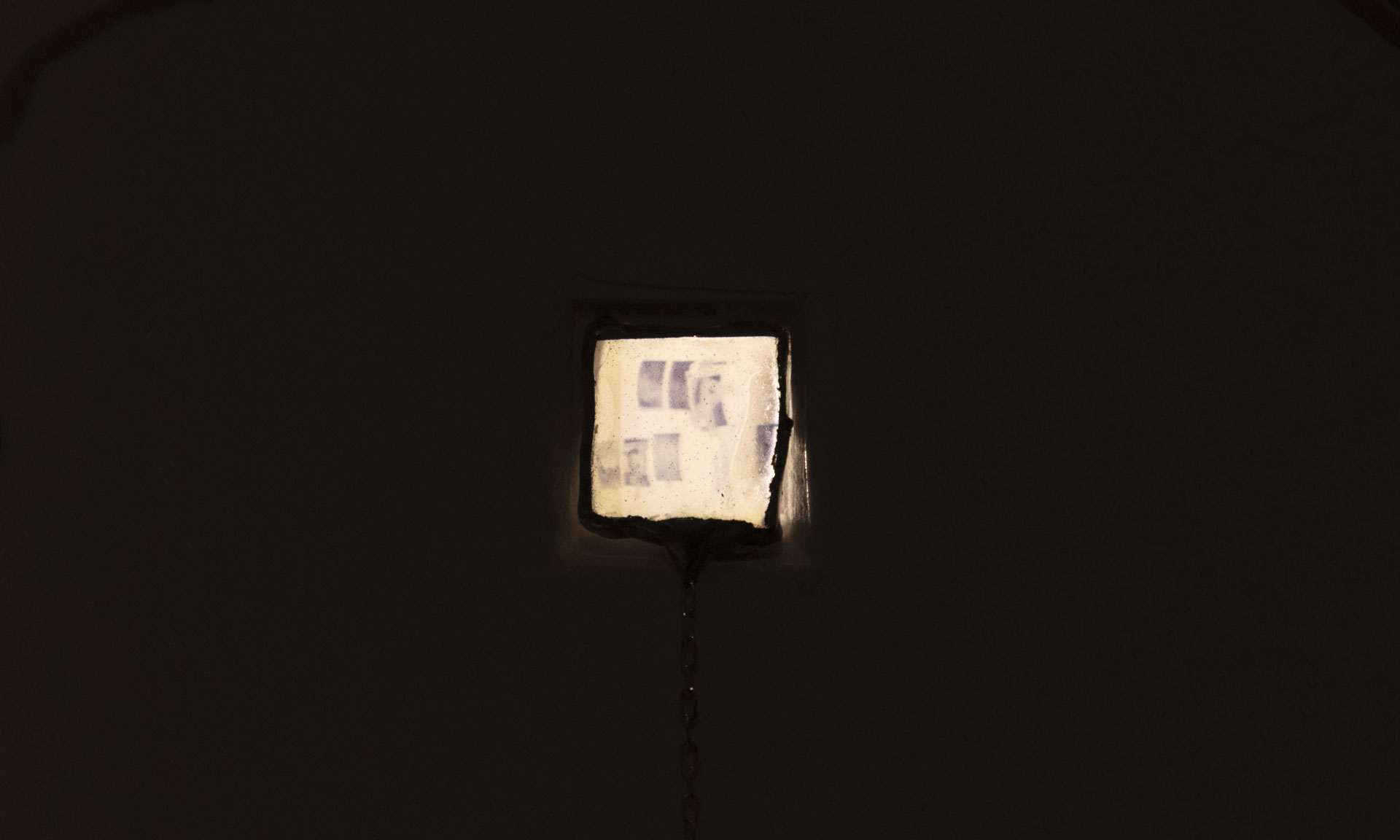
Becca Wahl
Pockets of patterns and propensities
2026
Ortho litho, 8ply, 4ply, broken tv screen, hiromi paper, standard acrylic, glass, solder
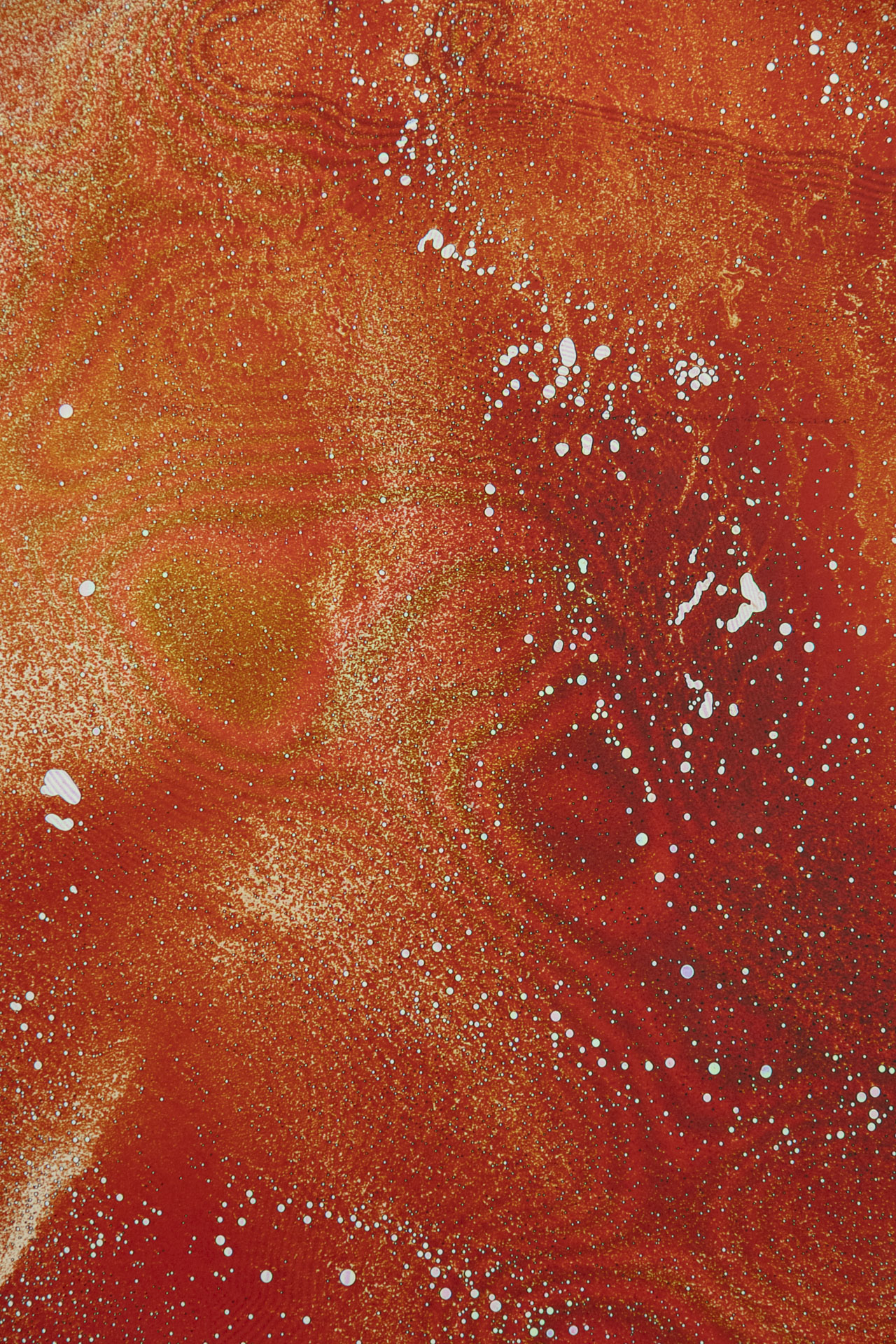
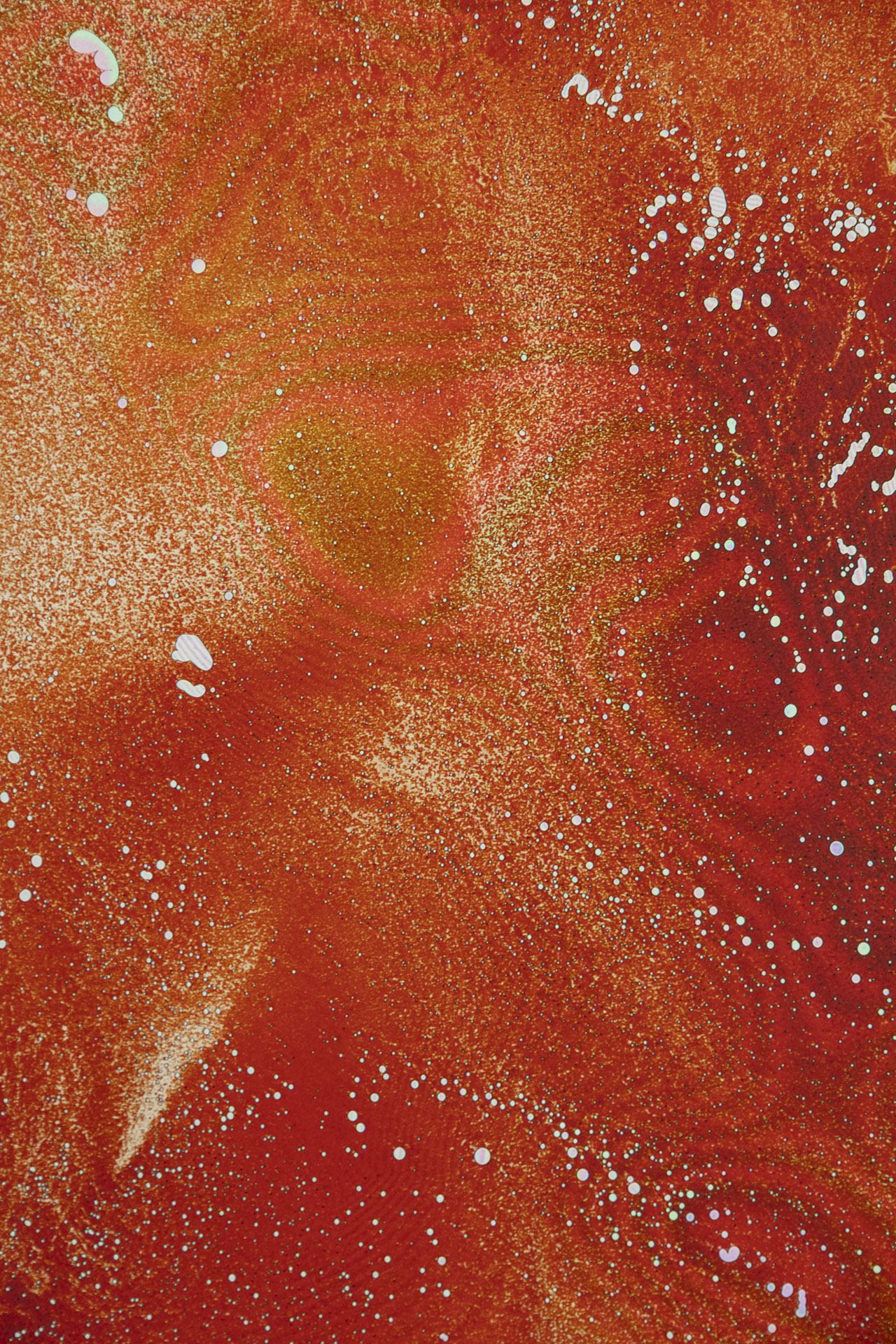
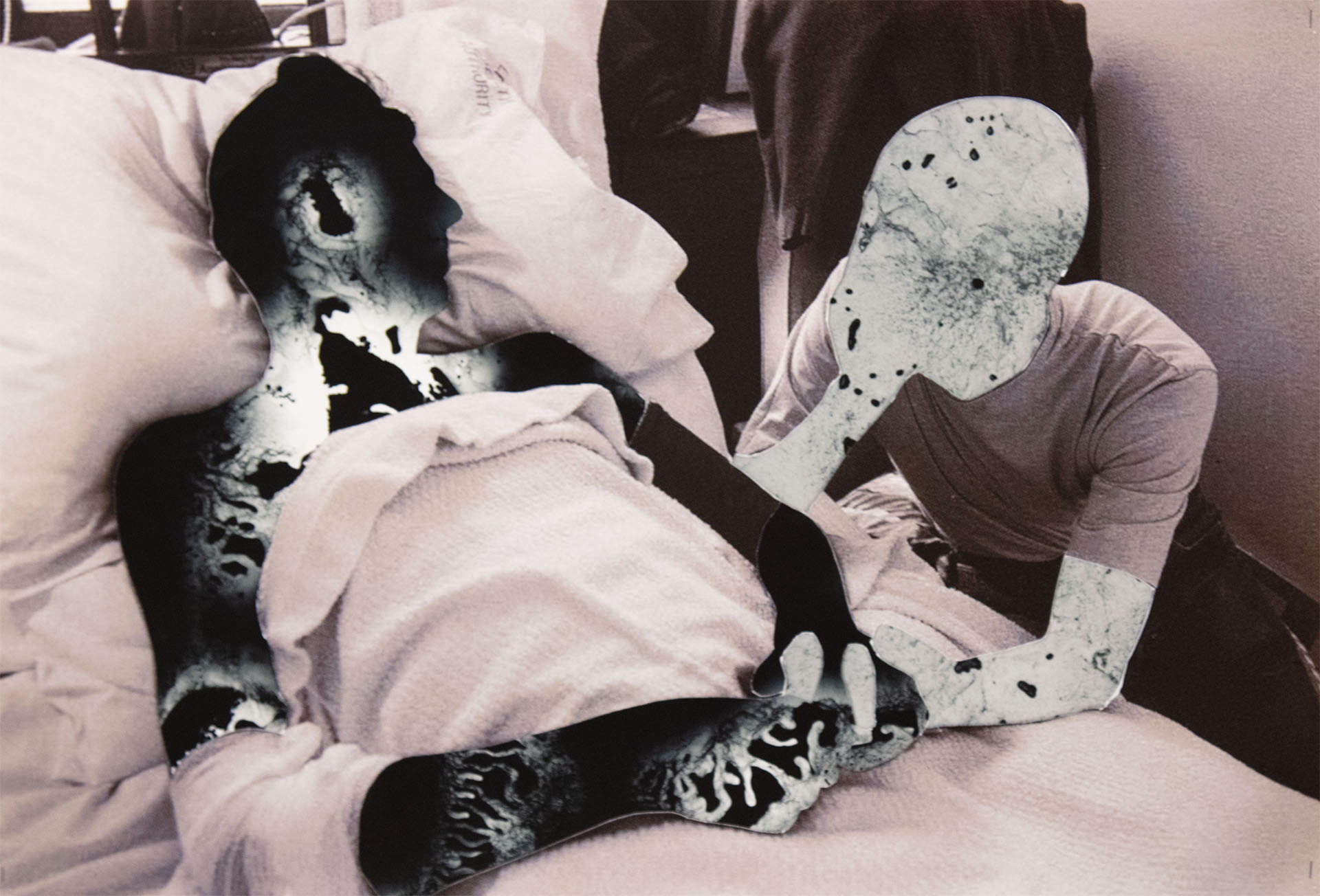
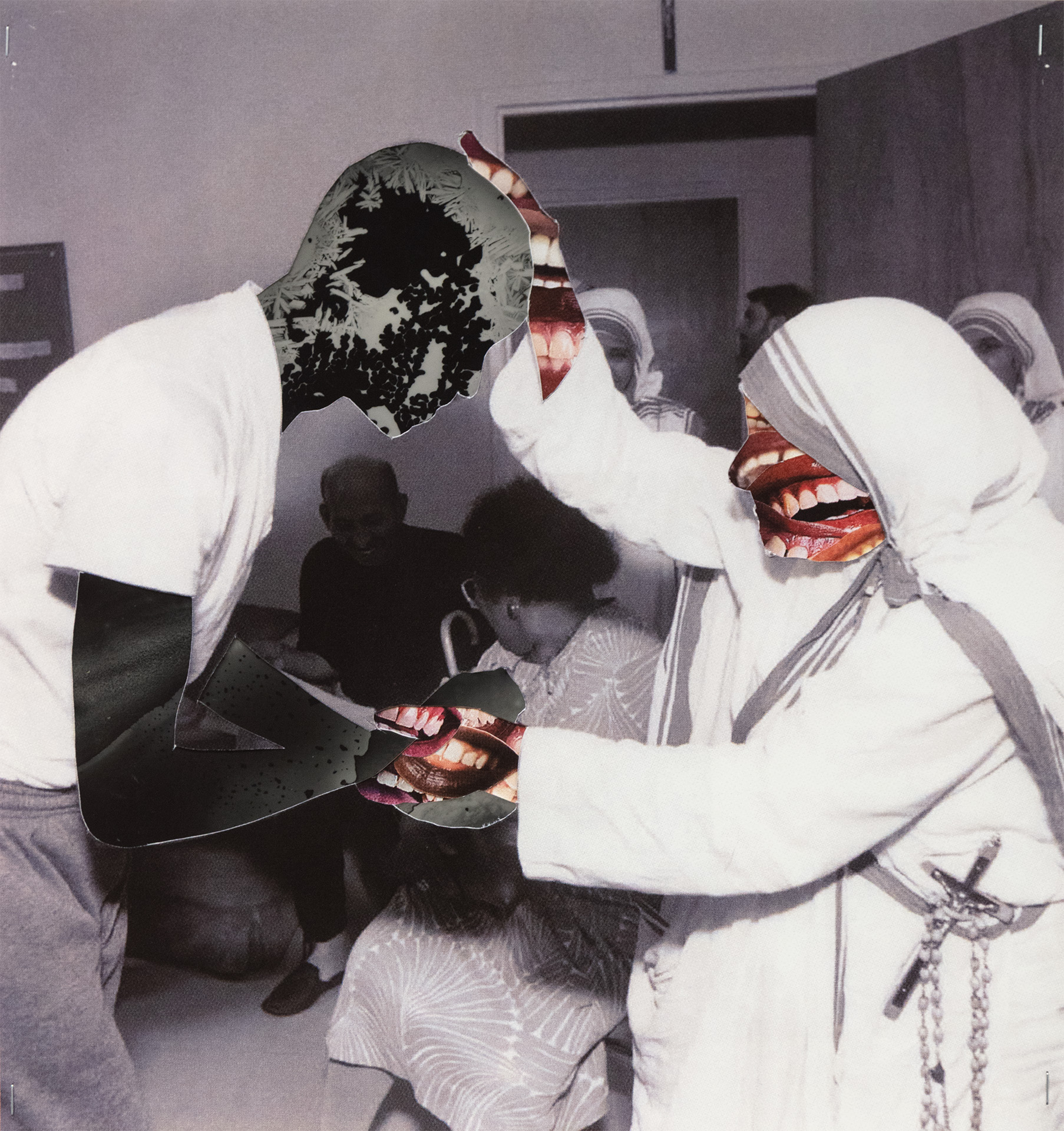
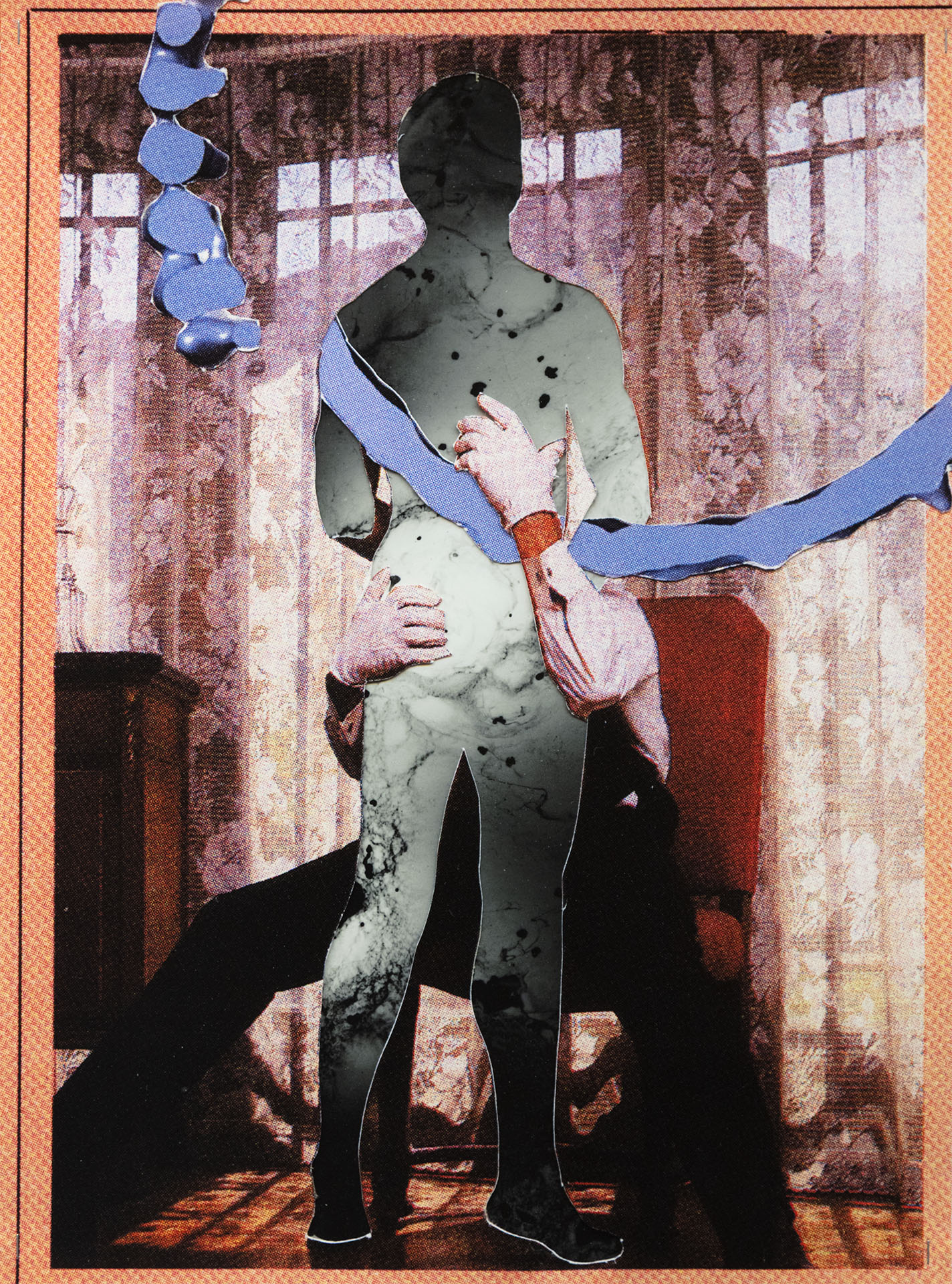
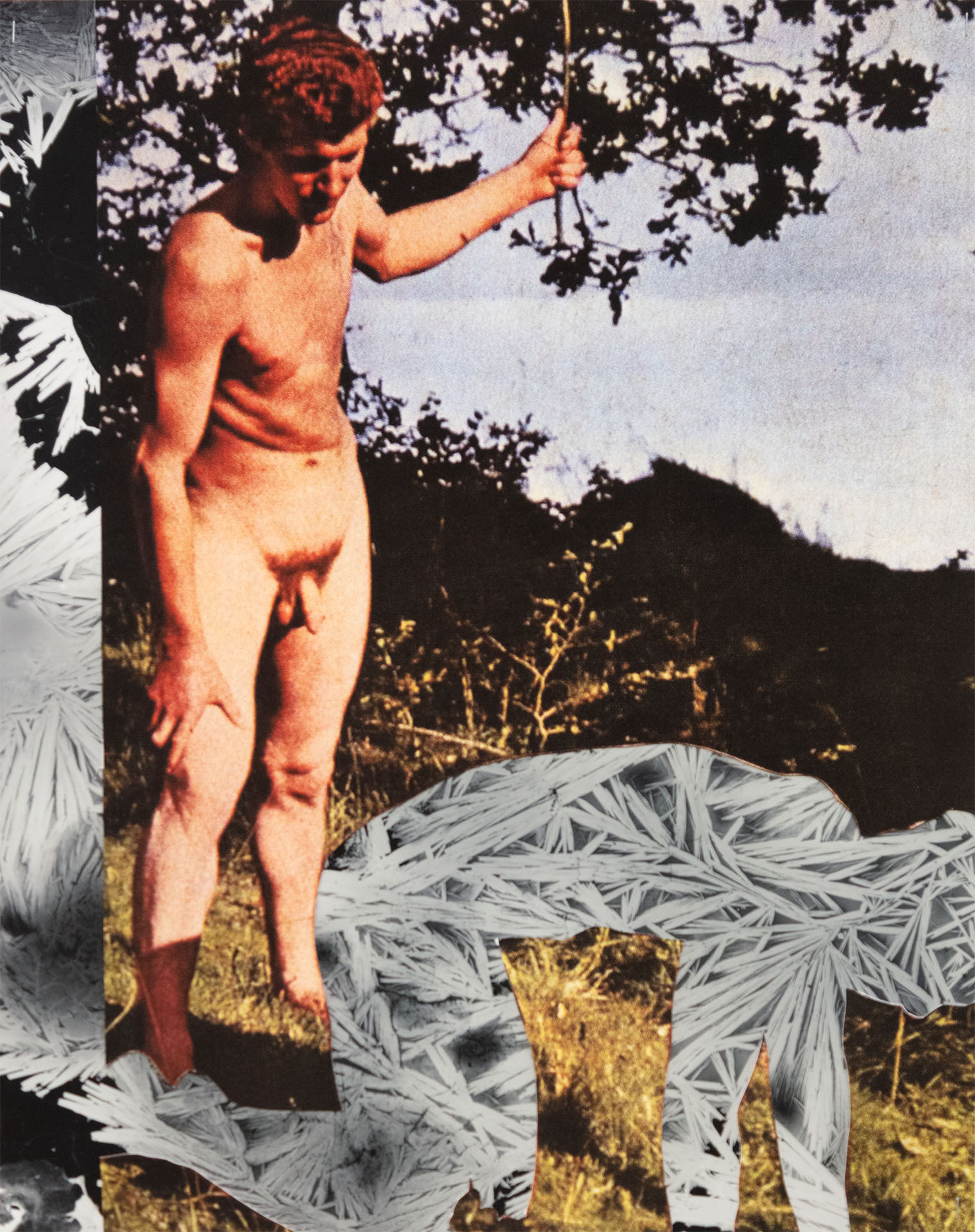
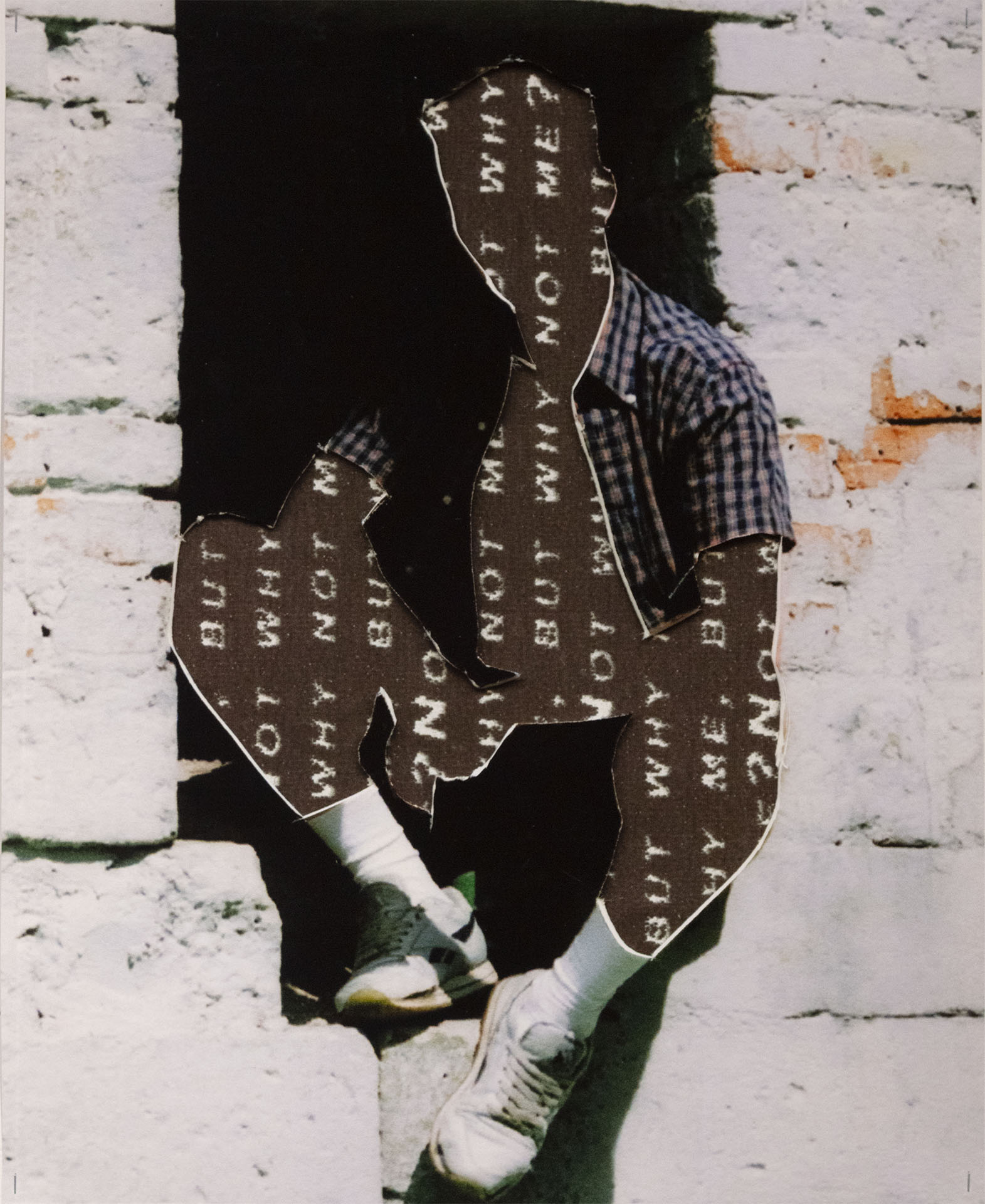
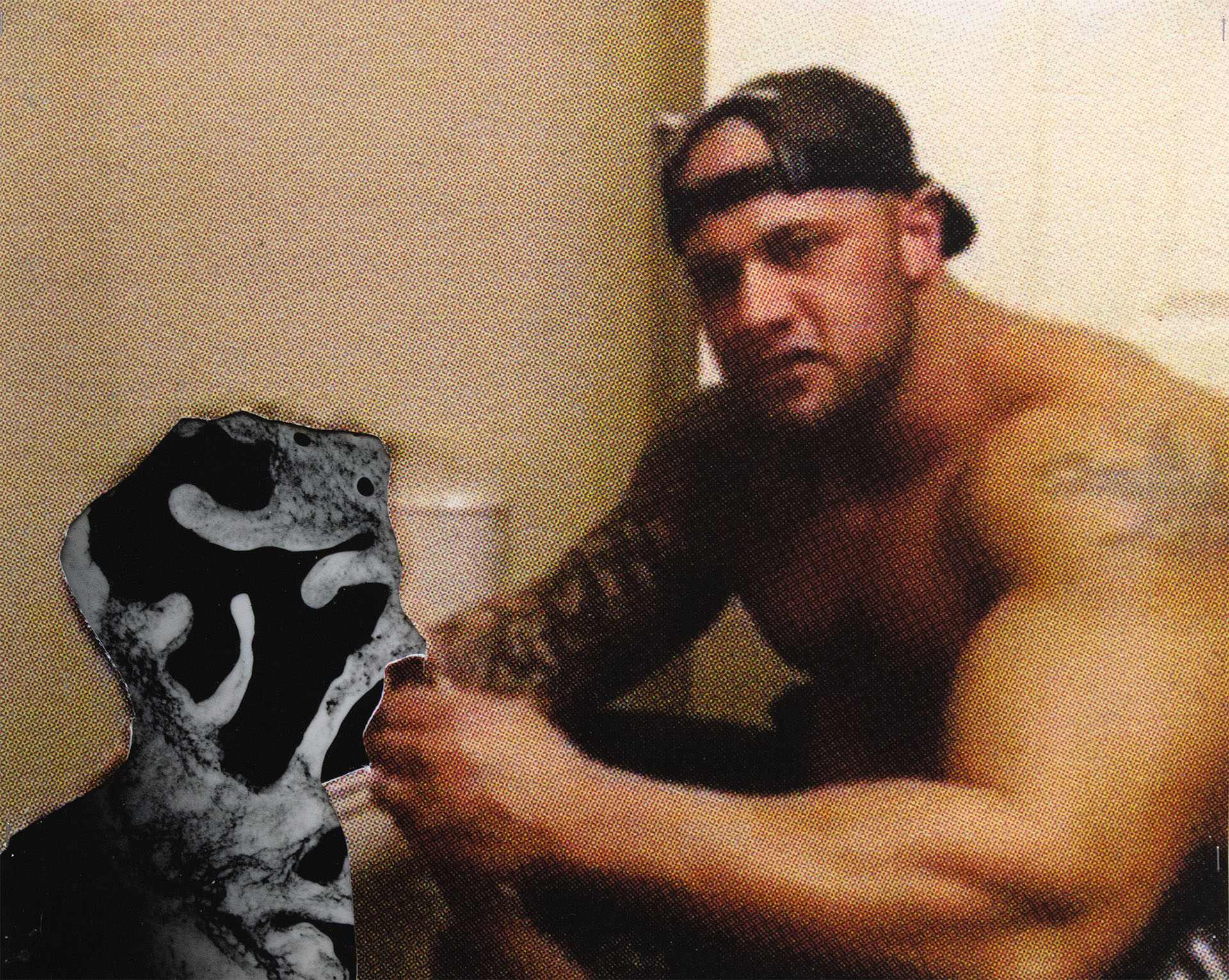
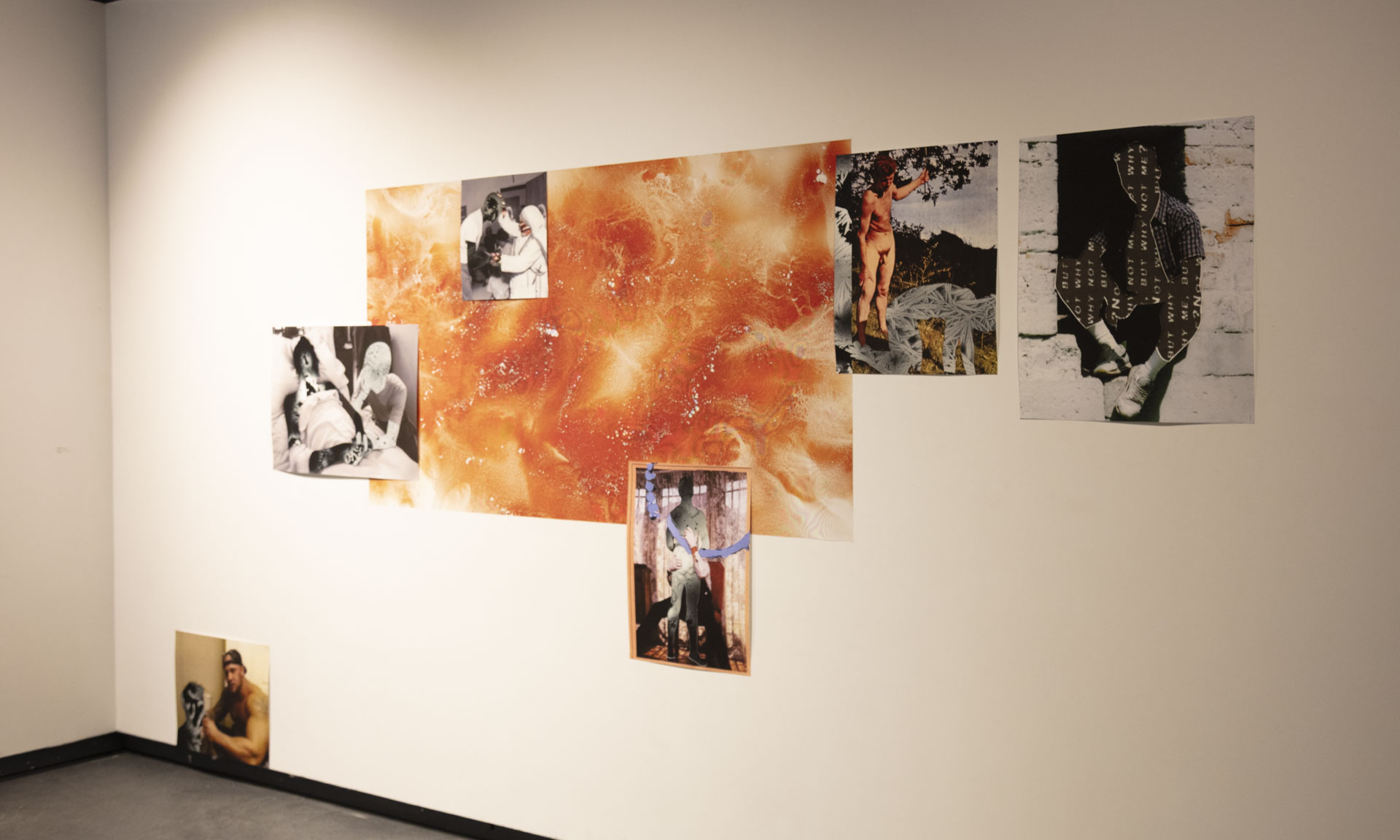
Patrick Carew
Heaven knows they need it
2025
Installation of adhesive wall vinyl print with collage
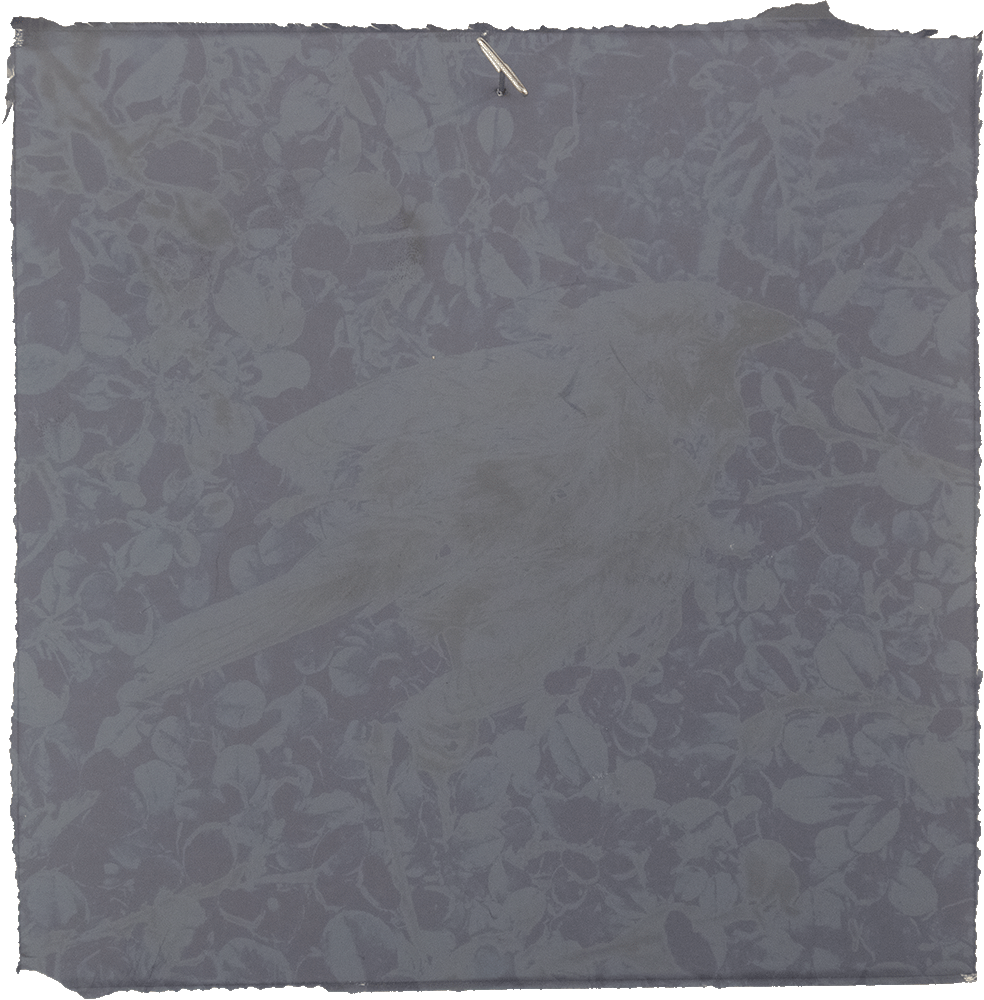
06/19/25 - 10:02:04 AM
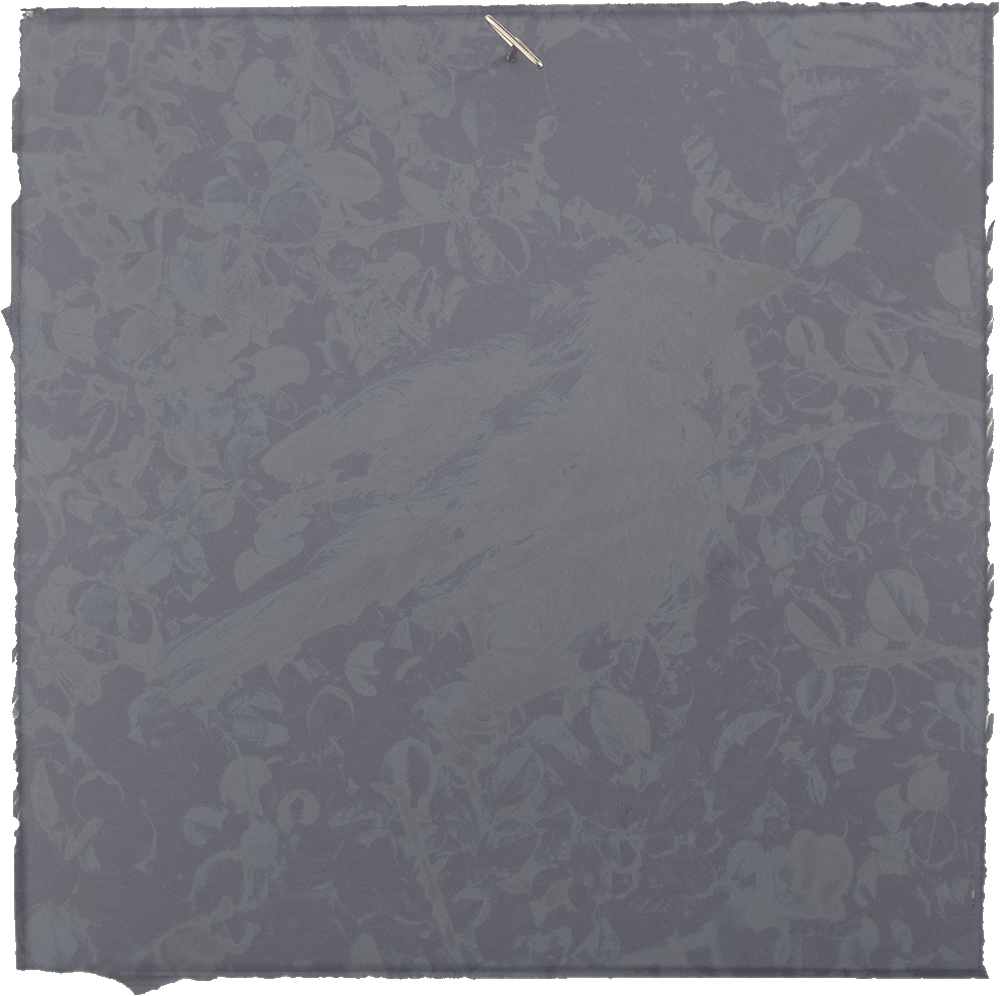
06/20/25 - 09:06:45 AM
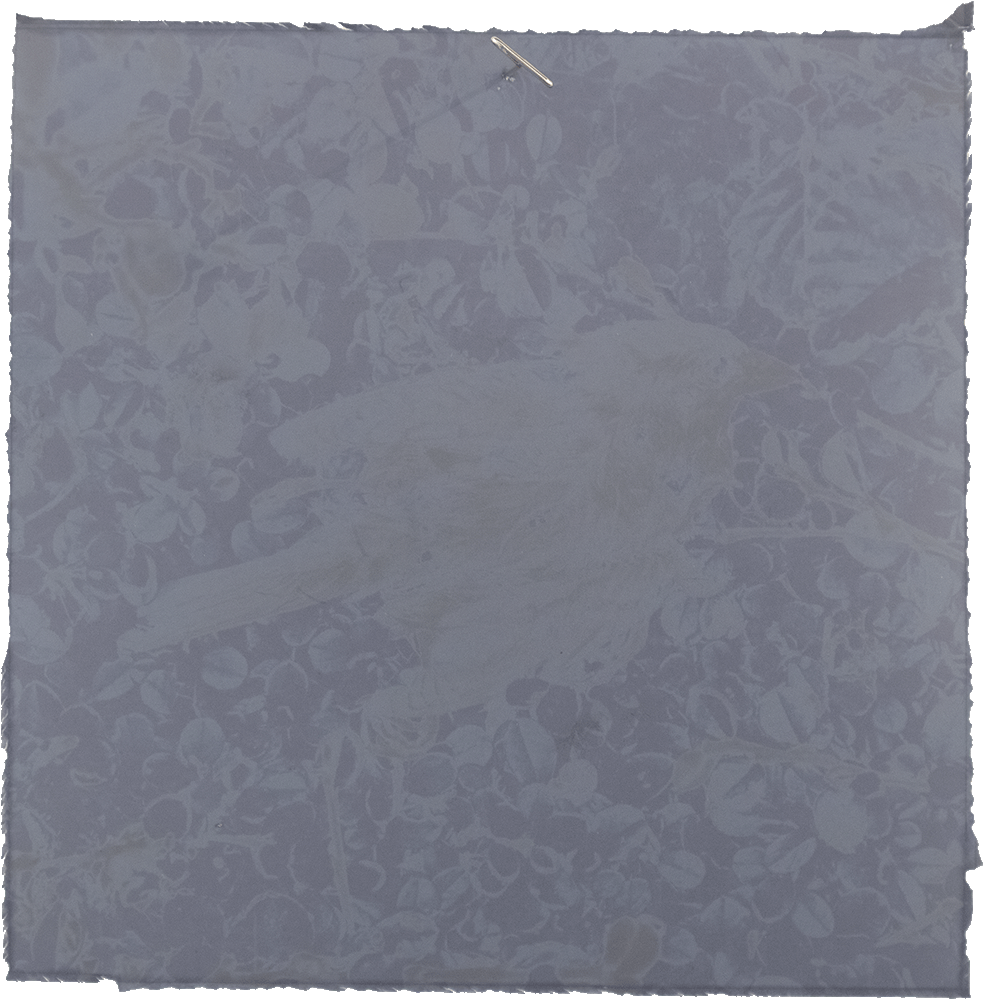
06/21/25 - 06:43:21 AM
06/22/25 - 06:06:45 AM
06/23/25 - 08:45:03 AM
06/24/25 - 09:14:47 AM Sarah Joy
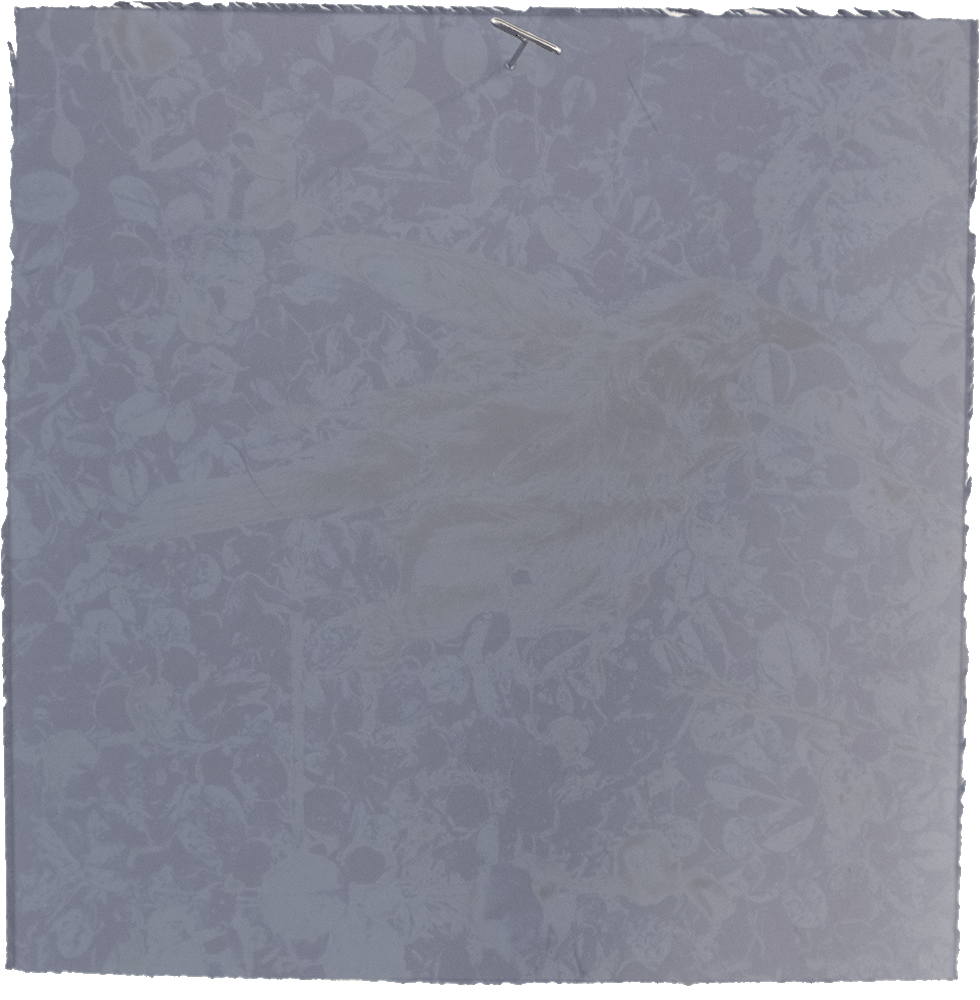
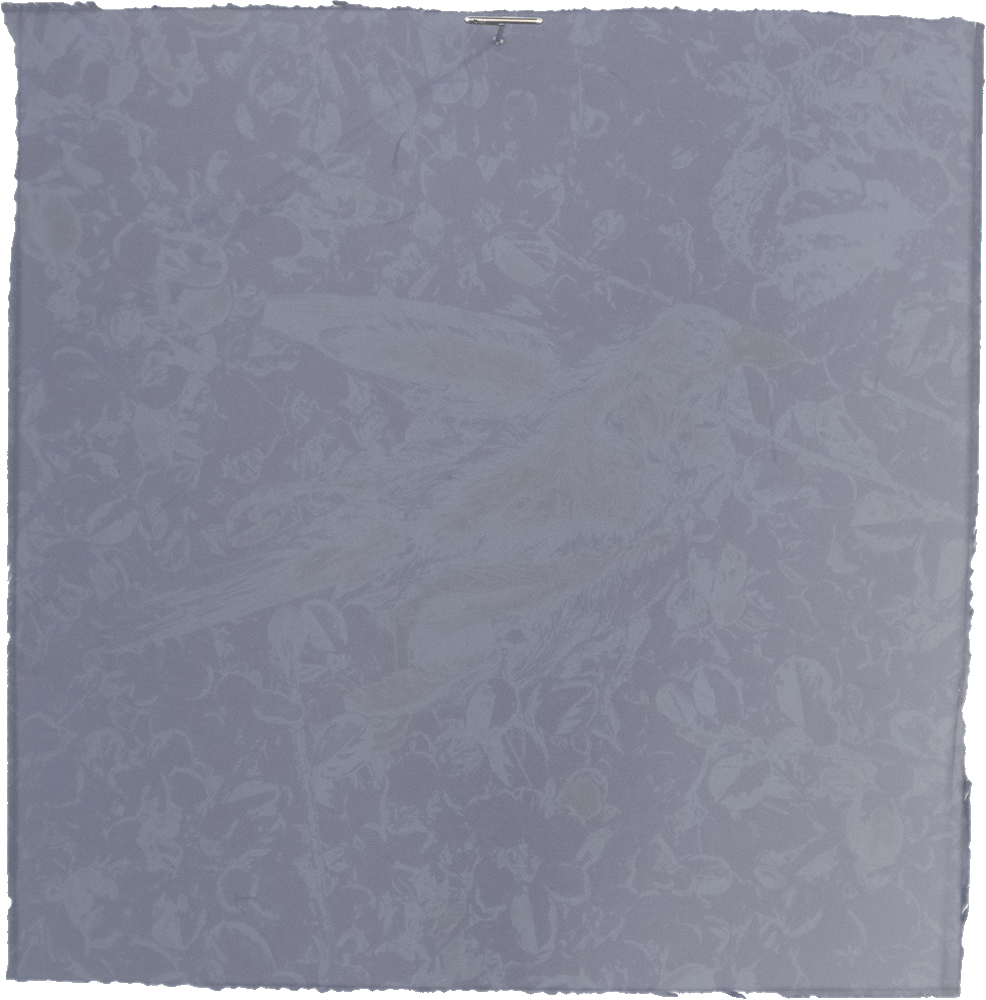
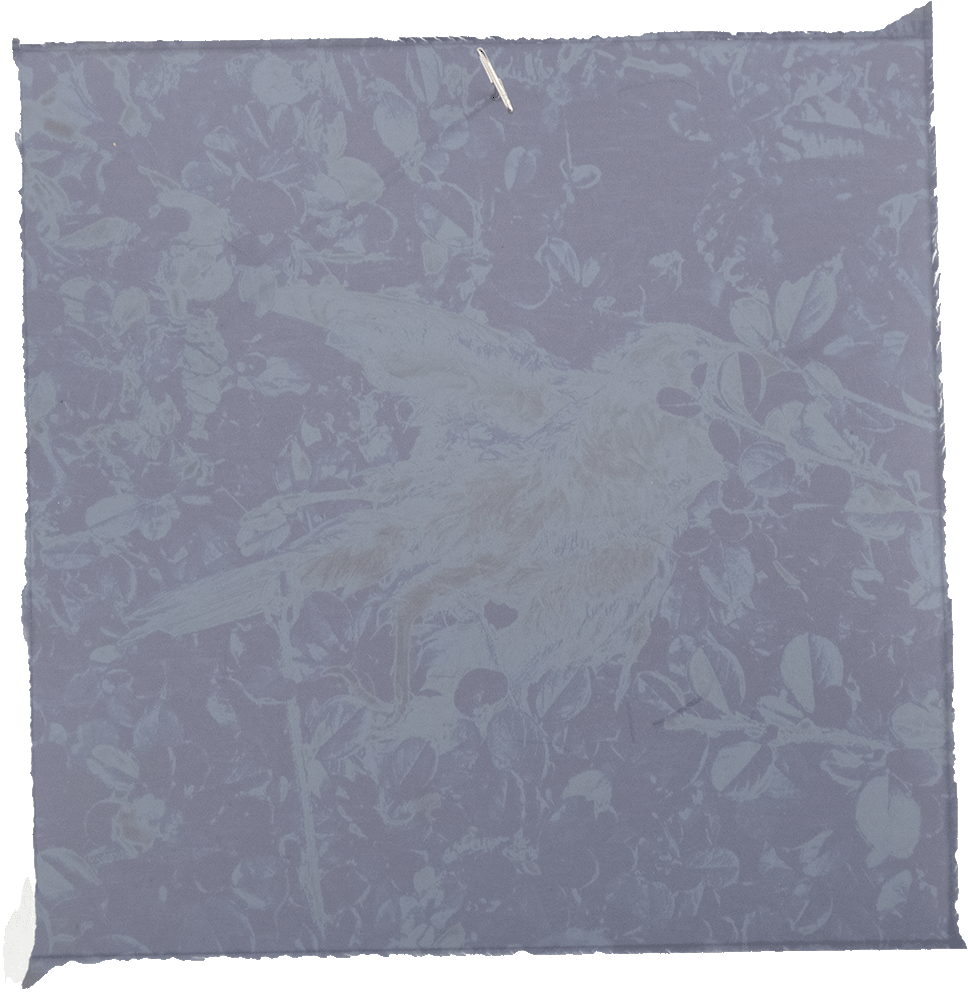
Restitution
2026
Lumen Prints
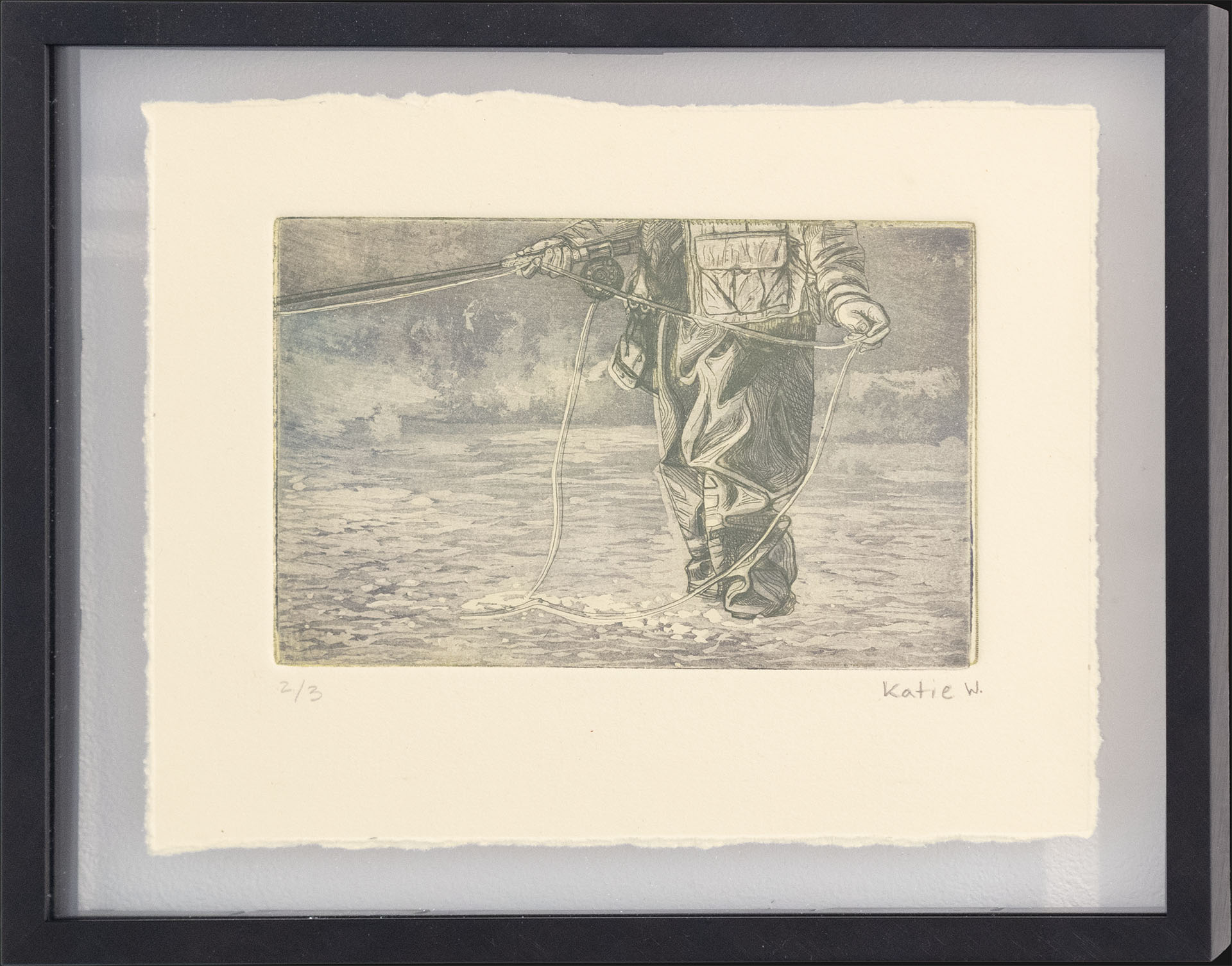
Katherine Warren
Wade into the Quiet of the Stream
2025
Intaglio and aquatint on copper plate
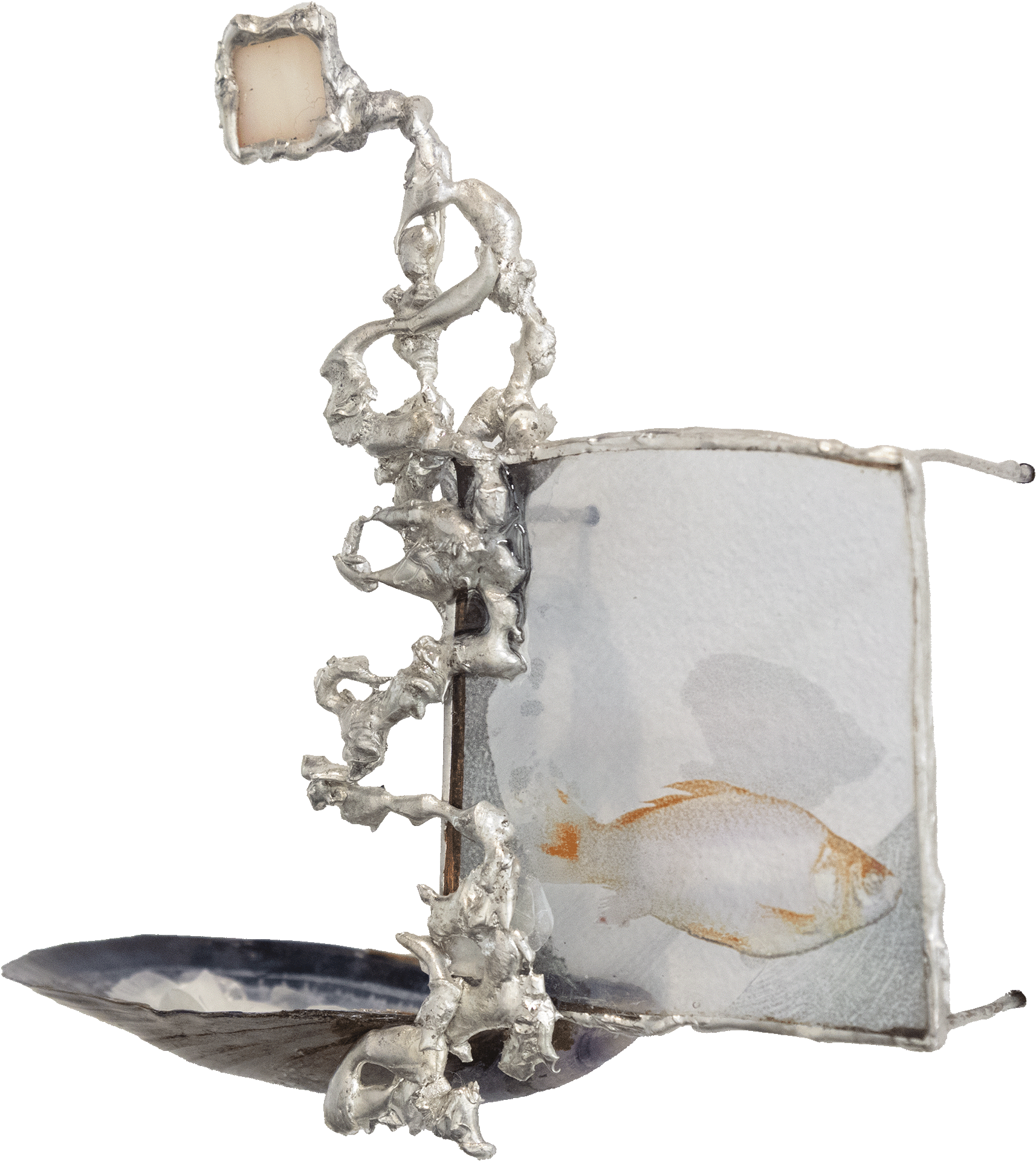 Becca Wahl
You know what they do to little fish like you
2025
Photograph, glass, solder, mussel shell, fish scales
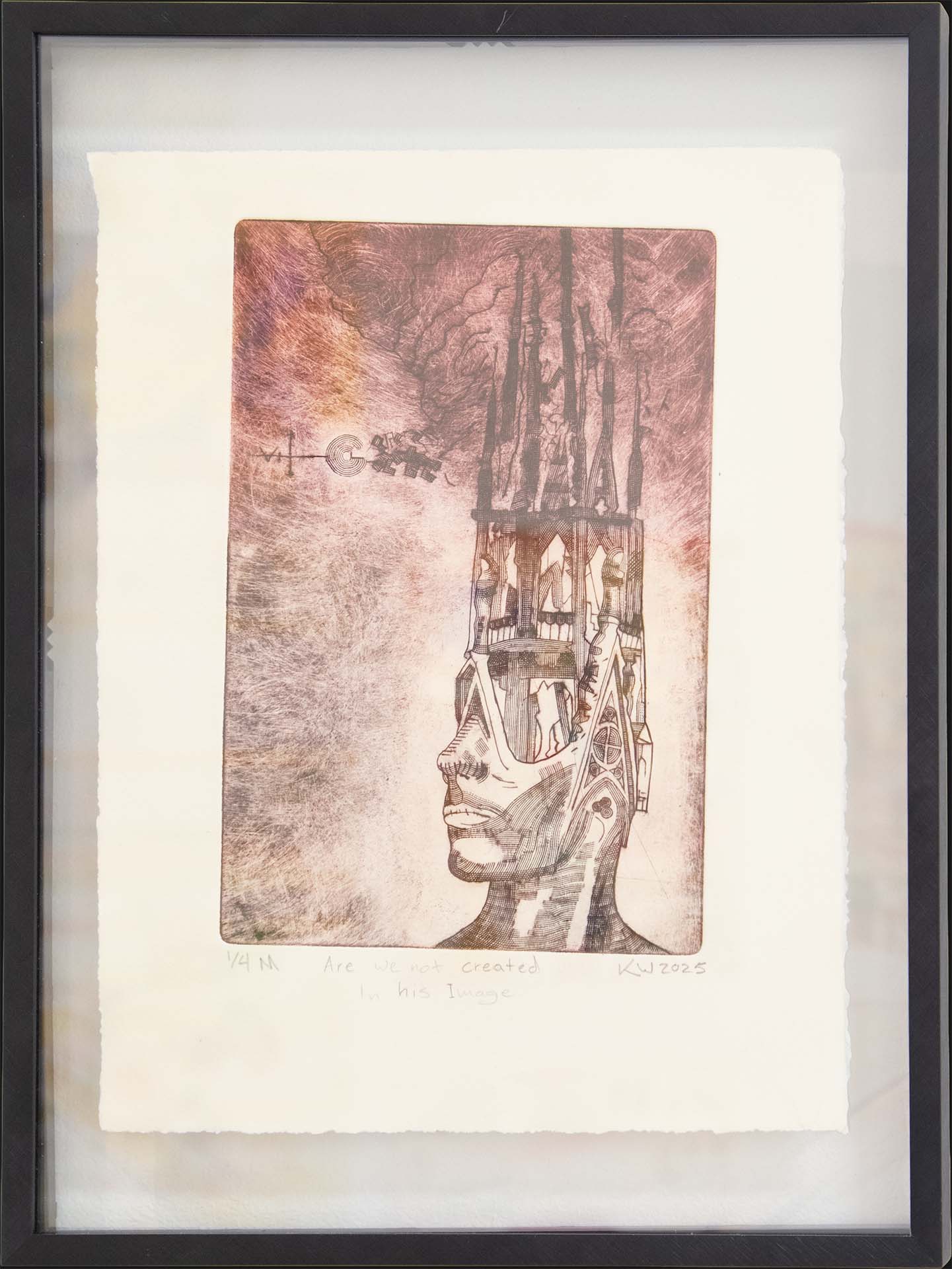
Katherine Warren
Are We Not Created in His Image?
2025
Engraving on copper plate
Artist Statements
Patrick Carew
Patrick Michael Carew is an image-based artist working at the intersection of photography and printmaking. His practice integrates darkroom techniques, digital imaging, and traditional print processes to explore the body and the image as a means of preserving queer identity while reflecting on shared narratives within history and community. Working with his own blood, archival queer photographs, and layered collage, Carew examines how the body functions as both matrix and record, navigating the politics of exposure, touch, and survival within the ongoing reverberations of the HIV/AIDS crisis.
---
The image in my practice operates as a site of confrontation and survival. Working across photography, collage, and printmaking, I address queer illness, HIV, and the political conditions that shape how bodies are managed, surveilled, and made to disappear. Memory and visibility emerge here as lived concerns, shaped by medical stigma, institutional neglect, and renewed attacks on queer life.
@patrick_carew
Diana Sosnowska
Diana Sosnowska is a Polish-Italian visual artist working between Florida and Italy. Her practice investigates how institutional regimes and scientific knowledge systems both record and construct knowledge. Through the digital and physical manipulation of institutional, governmental, and vernacular archives, staged photography, and sculptural interventions, she challenges dominant understandings of history and memory, exploring the spaces where truth and fiction converge.
---
My practice helps me examine and question my own memories and beliefs, the ones I inherited by my own ancestors and the ones I shared with the communities and institutions I have navigated tirelessly throughout my life. I was born in Poland, raised in Italy, and studied in the UK. From a very young age, I have witnessed my identity shift and adapt on multiple occasions; my own beliefs have often failed me, deceived me, and marginalized me. My surname, my language, and my body have essentially made me a foreigner in each of the places I have lived in. Throughout my life, I have borrowed accents, slang words, and other cultural artifacts to shape and conform my body and my identity, only to find out that there is a constant failure in language. Between the absurdity and the frustration of this failure, I make my work.
@dianasosnowska
Sarah-Joy
Sarah-Joy is a 20-year-old artist who grew up in Massachusetts and has lived throughout the United States. Working primarily in photography and sculpture, her practice is shaped by lived experience with chronic neuropathic pain. Her work centers on the body, time, and physical limitation, using image and object to explore how pain reorganizes perception, attention, and daily life.
---
I work in a reality where pain is not an interruption to life but one of its primary structures. Where pain is not a condition or event but an environment—systems that reorganize time, attention, and the body’s relationship to itself. I focus on the femme body as a site of endurance, expectation, and quiet labor. A body historically asked to carry, produce, withstand, and remain legible even while failing. In my work, the body is not a symbol but an archive: a place where sensation, memory, medical language, and shame accumulate. I am interested in duration: in repetition, maintenance, and the daily rituals of living inside a body that does not resolve, only changes shape. My work seeks to make the long, often hidden labor of inhabiting a body that resists, visible.
@s.arah.joy
Katherine Warren
Katherine Warren is a 22 year-old multimedia artist born and raised in Florida. She is a senior at USF, majoring in psychology and minoring in art. Printmaking, painting, and ceramics are her outlets for anything and everything.
---
My work focuses on the relationship between environment, emotional expression, and grief. Grief and psychology are central subjects in my practice. I’m interested in how it affects attention, perception, and behavior over time, not just in moments of crisis. Art functions as a form of art therapy in my process—not to fix or simplify emotions, but to examine them. Making work allows me to externalize feelings that are difficult to articulate and to study them through material, process, and repetition. And because art is fun… so why not?
@orbt.art
Benjamin Upcavage
Benjamin Upcavage (est. 2004) is an artist in Tampa, FL, attending the University of South Florida as an undergraduate pursuing a BFA. Ben generates visual arts through creation and deconstruction of imagery. They partake in a spiritually driven personal narratives about grief, ephemerality, and fears of the moment. Ben achieves this through the act of distorting and tearing apart visual media, using the "artists hand" as a primary device of expression. Their art intends to imitate life.
---
In this practice, documentation of the past is grafted together to create mnemonic devices for a place I was never able to experience. In our digital age, we are blessed with the ability to witness what occurred before our conception. Despite this, our understanding of the past can be constricted and abstracted by technology and circumstance. What we are left with is plagued with imperfections and transformations.
@ourhalations
Samira Rangel
Samira Rangel is a BFA student at the University of South Florida, with a focus in sculpture. Her work is primarily an exploration of intimacy through narrative, working mostly in textile to recreate, fill, and simplify gaps and obstruction of memory within her personal experiences.
---
Siervo de dios is about the memorological conjunction between the disappearance of my childhood rabbit and my father’s rapid health decline. In this instillation, I piece together the first memory I have of grief, and my childhood introduction to impermanence.
Ryan McConnell
Ryan McConnell is a 23 year old printmaker from St. Petersburg, FL. He is a senior at USF, soon to graduate with a BFA. His social media handle is @oneonefivetwo. His favorite smell is campfire smoke. He has never seen snow. He does not have nightmares. He knows who you are.
---
I am a multi-media printmaker who explores how our cognition is warped by the over-saturation of images. In Night Swim I, II, & III, I printed a mezzotint and aquatint plate onto a single sheet of paper and screen printed over it, each print acting as a different frame of time. Light shines through the intaglio prints, distorting them into unreal images that take on a new form from the real event they germinated out of. For Lossy, I heavily compressed a .jpeg file and recreated it using natural wood grain. My last work in this exhibition, □, is meant to be experienced without context. Thanks ^0^
@oneonefivetwo
Murphy Hottenstein
Murphy Hottenstein (b. 2003) is a local artist working on her BA in Studio Art at the University of South Florida. Her work is comprised of self-portraiture that explores her identity as a transfemme individual, and her experience as a human. She enjoys exploring the human body and mind through the post-processing of photography. Hopeful Death is her latest work.
---
I am in a constant state of decay and renewal. I do not speak of growth. I speak of stagnation. I do not dream of reincarnation. I dream of the cycle breaking. I do not hope they live. I hope they die.
@windsof.notos
Becca Wahl
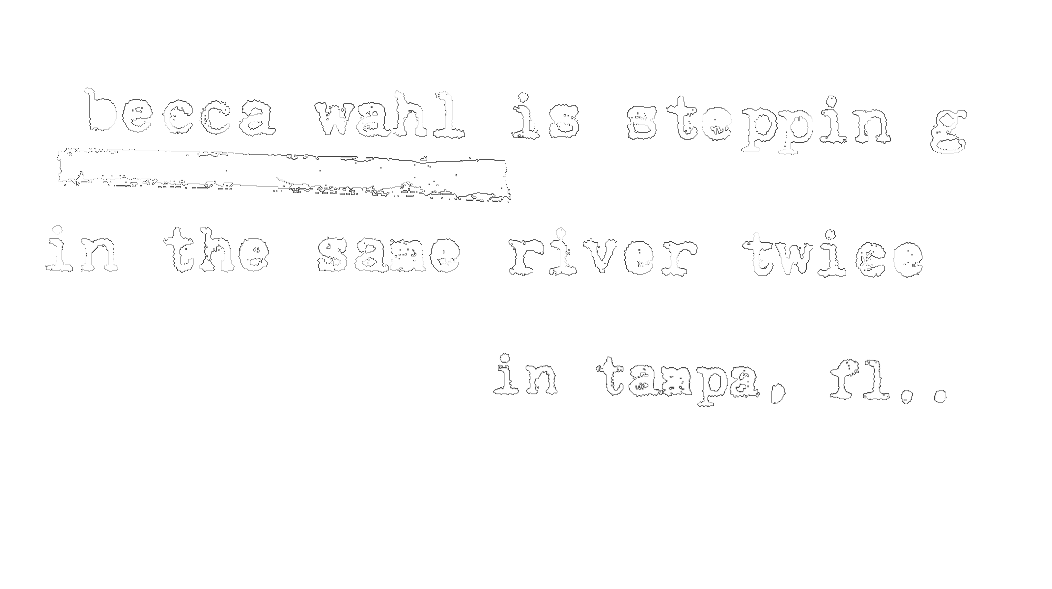
@beccawahl
Website coded by Benjamin Upcavage